
Backpacking Sapa
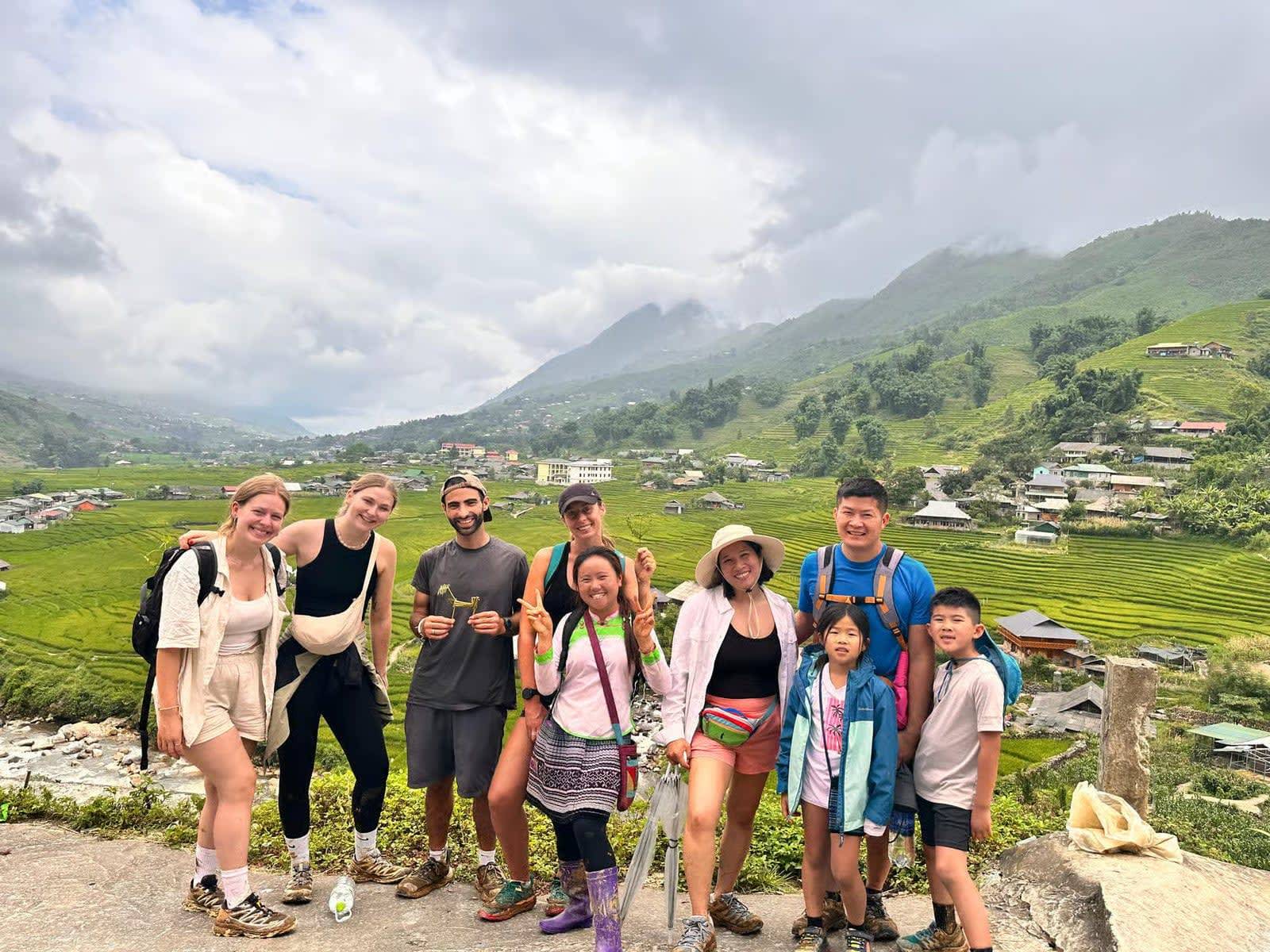
You get off the night bus at six in the morning at fifteen hundred metres, in a fog so thick you cannot see the other side of the square, wearing the clothes you packed for Southeast Asia. Everybody has this moment. Then the cloud lifts an hour later and there are a thousand rice terraces stacked down the valley below you, and you understand why this place is on every list.
Sapa sits near the Chinese border in mountains that belong to the Hmong, Dao and Tay, who farmed those terraces into the hillsides long before anyone came to photograph them. It is ten degrees colder than Hanoi, the air smells of woodsmoke, and the whole reason to be here is to walk.
The town itself has grown fast and it shows: hotels, karaoke and construction. Do not judge it on that. You came for what is outside it, and outside it is one of the most beautiful places in Vietnam.
Why Sapa is popular with backpackers
- Rice terraces that are genuinely as good as the photos
- Treks with guides from the villages themselves
- A homestay night with a family, rice wine included
- Fansipan, the highest mountain in Indochina, by foot or by cable car
- Ten degrees cooler than everywhere else in the country
- Beds from €5 and a full trek for less than a night out at home
Best time to visit Sapa
Sapa is at fifteen hundred metres and you feel every one of them. Weather decides more here than anywhere else in Vietnam: in cloud you see nothing at all, and cloud is common.
Coming outside March to May, September or October? Book two full days rather than one. The odds are decent that one of them is a whiteout and the other one gives you everything.
Backpacker budget: around €18 a day
- €5hostel bed
- €2local meal
- €0.60beer
- €1ride in the village
Guide prices from our own days in Sapa. Add a tour or a night out and it climbs fast.
Best hostels in Sapa
Two ways to sleep here, and they are not the same trip. In town you get restaurants, bars and a warm shower. Out in the valley you get a family, a wood stove and the view you came for. Most people do one night of each.
Hoa’s Homestay Sapa
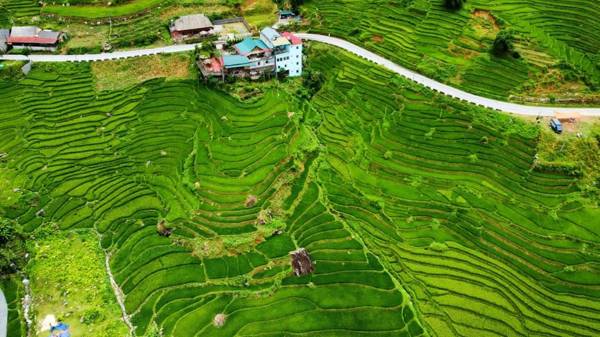
Out among the rice fields rather than in town, which is the whole point. You eat with the family, you sleep under about four blankets, and in the morning you walk out of the door straight into the terraces.
Venus Sapa Hostel
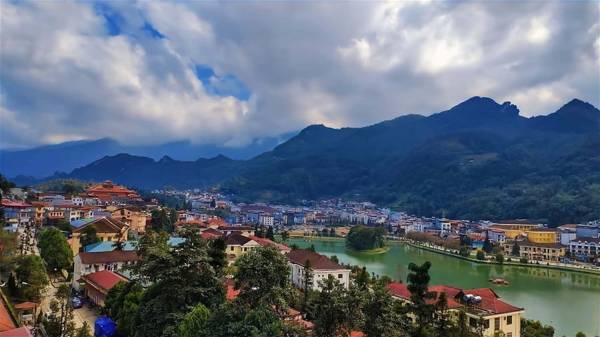
The straightforward town option: central, cheap, warm, and the place to be if you want to find people to trek with tomorrow. Ten minutes from where every bus drops you.
Mega View Homestay
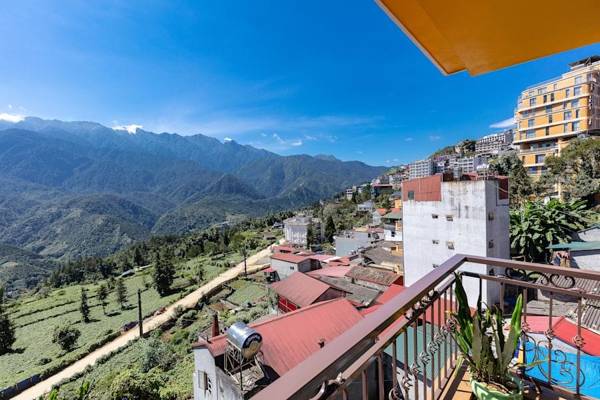
The name is not overselling it. You wake up looking down the valley, which on a clear morning is worth more than any amount of extra comfort. A little way out of the centre, and that is fine.
Best things to do in Sapa
Two days walking with a Hmong guide
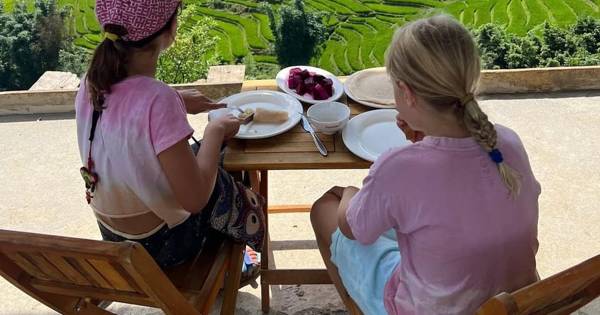
The thing to do here, and the reason most people rate Sapa above Ha Giang. You walk five or six hours a day through Lao Chai and Ta Van, down muddy field paths rather than roads, and sleep at a homestay in between. Your guide is from one of these villages and will tell you what every crop is and who owns which terrace.
Book the version with a local guide rather than a tour company guide from town. The money stays in the valley and the walk is better.
Climbing Fansipan
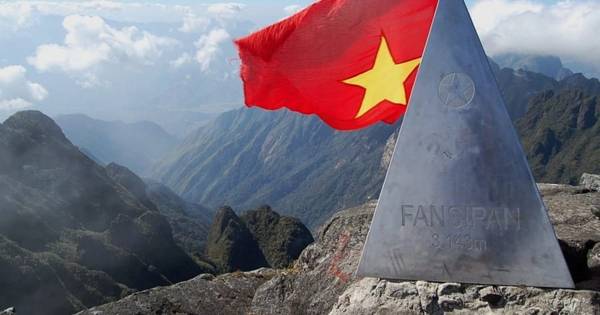
Three thousand one hundred and forty-three metres, the highest point in Vietnam, Laos and Cambodia, and known locally as the roof of Indochina. Two days, one night in a mountain camp, and properly hard work. Come down and you have done something.
Cat Cat, the alpine coaster and the viewpoints
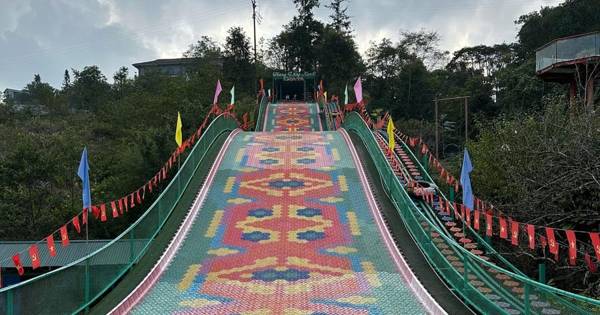
The opposite kind of day: several of Sapa’s best-known spots strung together with transport in between, including an alpine coaster down the hillside that is far more fun than it has any right to be. Good for a day when your legs have had enough.
Cat Cat Village
The closest village to town, three kilometres down into the valley, with waterfalls and Hmong craft workshops. Walking down is easy, and a lot of people forget that everything you walk down you also walk back up.
The Fansipan cable car
Want the summit without two days of climbing? The cable car takes twenty minutes and gains fifteen hundred metres. It is one of the longest in the world and, on a clear day, an absurd thing to be sitting in.
Ham Rong Mountain
The hill directly above town, with gardens on the way up and a view back over Sapa and the valley from the top. An hour and a half up and down, and the easiest viewpoint to reach when the weather finally clears.
The market
Sapa’s market is where the different ethnic groups of the region actually come to trade, and the difference between seven in the morning and eleven is the difference between a market and a souvenir shop.
Sunrise over the terraces
The best thing in Sapa costs nothing. Get up at five, walk or ride to a viewpoint above Ta Van, and watch the cloud sit in the valley in layers while the sun comes up behind the ridges.
Best area for backpackers
Sapa Town
Not much of a decision: almost everything is in town, and the alternative is a homestay in the valley, which is a different experience rather than a different neighbourhood. Town has the hostels, the tour desks, the restaurants, the bus stops and a warm shower.
The centre is fifteen minutes end to end on foot. Rooms on the valley side cost a little more and are worth it on a clear morning.
Good to know about this area
- Every tour and trek leaves from here
- Hostels, homestays and hotels at every price
- Restaurants and cafes within walking distance
- Viewpoints straight off the church square
- Buses and trains back to Hanoi run every evening
- It is a building site in places: judge the valley, not the town
How to plan your days in Sapa
Two to three days, usually with one night at a homestay in one of the villages. Pick how long you have.
Arrive and walk to Cat Cat. The night bus drops you around six in the morning. Sleep for a few hours first, then walk down into the valley to Cat Cat, the nearest village, and climb back up in the afternoon.
Tonight: hotpot in town, which at ten degrees is exactly what you want.
Trek through the valleys. The classic route runs through Lao Chai and Ta Van, five or six hours of walking through the terraces with a guide from the villages themselves.
Tonight: homestay in Ta Van, with home-distilled rice wine you did not ask for.
Fansipan or the market. The cable car puts you on the highest point in Indochina in twenty minutes. If it is a Sunday, go to the Bac Ha market instead, two hours away and the real thing.
Tonight: back to Hanoi on the night bus, or the train from Lao Cai.
Food and drink in Sapa
Mountain food: heavy, hot and mostly cooked over wood. Forget the delicate herb-heavy plates of the coast. Up here it is grilled meat, bamboo, and a hotpot bubbling in the middle of the table while it rains outside.
Every village has a barbecue on the street in the evening selling skewers by the handful, and every hostel puts a hotpot on at some point. Both are better than they sound and both are under three euros.





Trekking tomorrow? Buy a banh mi in the morning. You will not pass a single stall for hours once you are down in the valley.
Getting there and onward
Sapa is a dead end. You come from Hanoi and you go back to Hanoi, unless you cut across to Ha Giang.
From Hanoi. The sleeper bus takes about six hours and runs overnight, so it saves you a night’s bed. More comfortable is the night train to Lao Cai, then an hour by bus up the hill.
Around Sapa. You can walk across town in fifteen minutes. Into the valleys you go on foot with a guide, or on the back of a motorbike for a couple of euros.
Onward. More and more people ride straight on to Ha Giang from here for the loop: roughly six hours by local bus via Lao Cai, and it saves backtracking to Hanoi.
- Sleeper busHanoi 6 hrs, usually leaving around 22.00
- Night trainHanoi to Lao Cai 8 hrs, then 1 hr by bus
- ScooterFrom about €6 a day. Mountains and hairpins
- Fansipan cable car20 minutes to 3,143 metres
- Across to Ha GiangAbout 6 hrs via Lao Cai
Staying safe in Sapa
Crime is not the issue here. Weather, altitude and mountain roads are.
- Bring shoes with grip. The paths through the terraces are mud for most of the year
- Pack a rain layer and a warm layer, even in summer
- Hire a guide who lives in the villages you are walking through
- Agree what a trek includes before you start: food, the homestay, the ride back
- Set off on a multi-day trek alone. The paths are barely marked and the fog moves fast
- Ride a scooter in cloud. Visibility here can drop to ten metres in minutes
- Buy anything from children who walk along with you, however hard it is to say no
- Assume there is an ATM. Take enough cash down into the valley
About the women who fall into step with you in town and walk with you all day: they expect you to buy something at the end of it, and that is how they earn. Say yes or say no clearly at the start. It is better for everyone than four hours of not saying anything.
Rebels on the Road tip
Most people book a trek, do Fansipan, and leave the moment the tour ends. Stay one extra day and walk around Ta Van on your own instead. Get off the marked route, take the small paths between the fields, and you will go a whole morning without seeing another traveller. That is the version of Sapa people describe when they get home, and it is free.
Frequently asked questions
How many days do you need in Sapa?
Two to three. That covers a trek, a homestay night and either Fansipan or the market. If you are coming outside the clear months, budget three, because one of them will probably be lost to cloud.
Is Sapa safe for backpackers?
Yes. The risks are weather and footing, not crime. Proper shoes, a warm layer and a guide for anything longer than a day walk cover almost all of it.
Where should I stay, town or a homestay?
Both, one night each if you can. Town has the food, the warmth and the transport; the homestay has the view, the family and the reason you came.
Is Sapa expensive?
No. Around €18 a day, and a two-day guided trek with a homestay, food and transport included comes in at well under fifty euros.
Can you explore Sapa without a guide?
Around town and down to Cat Cat, easily. For the longer valley routes take a guide: the paths are unmarked, the fog is real, and a guide from the villages tells you what you are actually looking at.
Is climbing Fansipan worth it?
If you like hard walking, yes: two days, a night in a camp, and the highest point in Indochina at the end. If you do not, the cable car gets you the same view in twenty minutes and nobody is checking.
Sapa or Ha Giang?
Sapa if you want to walk, meet people in the villages and sleep in a homestay. Ha Giang if you want to ride. They are the two best things in northern Vietnam and they are not really competing; plenty of people do both, and you can go straight from one to the other.
When is the best time to visit Sapa?
September and October, when the rice is gold and the skies are clear, or March to May, with the terraces flooded and reflecting by May. June to August is green but wet, and November to February is cold and often inside the cloud.
