
Backpacking Hoi An
Hoi An is the stop where people stop moving. It was a trading port for four hundred years, the Japanese and the Chinese and the French all built here, and then the river silted up and everyone left, which is exactly why eight hundred old buildings are still standing.
The old town is car-free, ochre-yellow and small enough to walk across in fifteen minutes. At dusk the lanterns come on over the river, and the whole thing goes from pretty to something else entirely. Yes, it is busy. Go before eight in the morning or after six in the evening and it is yours.
Then there is everything around it: rice fields, a coconut palm water maze, a beach you can cycle to in half an hour, and a hundred tailors who will make you a suit in two days. Three days is the standard and almost nobody leaves on time.
Why Hoi An is popular with backpackers
- An old town on the UNESCO list, closed to cars, lit by lanterns
- A beach twenty-five minutes away on a bicycle that costs €2
- Food you cannot get anywhere else in Vietnam, starting with cao lau
- Tailors who will make anything you can draw, in two days
- Cooking classes that start at the market and end with lunch
- Flat, green, and best explored on a bike
Best time to visit Hoi An
Hoi An is on the central coast, in the same weather pattern as Hue. The gap between the dry and the wet season here is large, and in autumn the old town floods on a fairly regular basis.
If you can, time it for the full moon. On that night the old town switches off its electric lighting, leaves only the lanterns, and people float paper candles down the river. It is the single best evening in Vietnam and it costs nothing.
Backpacker budget: around €20 a day
- €6hostel bed
- €1.50local meal
- €0.50beer
- €2bicycle per day
Guide prices from our own days in Hoi An. Add a tour or a night out and it climbs fast.
Best hostels in Hoi An
All three of these are just outside the old town, which is the right place to be: five minutes’ walk in, and no tour groups outside your window at seven.
The Cuckoo’s Nest Hostel and Bar

A 9.8 across nearly fifteen hundred reviews, which is the highest score of any hostel on our Vietnam route. Social without being a party hostel, with a bar, family dinners and staff who remember your name.
Mad Monkey Hoi An

The party one, and honest about it: pool, bar, organised chaos, and a guaranteed group by dinner. If you want to be in bed at eleven, book one of the other two.
Fuse Old Town Hoi An
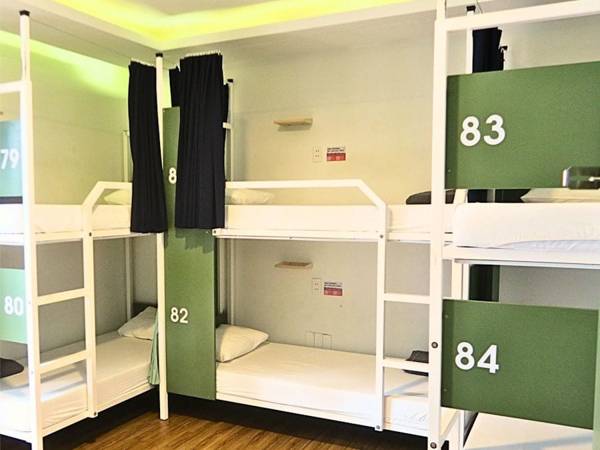
The middle option. Modern, comfortable, right by the old town, with tours and a bike waiting. Good if you want the social side available rather than compulsory.
Best things to do in Hoi An
The old town after dark
Eight hundred protected buildings, a Japanese covered bridge from the 1590s, merchant houses still lived in by the families that built them, and assembly halls with dragon roofs. Walk it once in daylight for the detail and once at dusk for the lanterns.
The river by lantern light
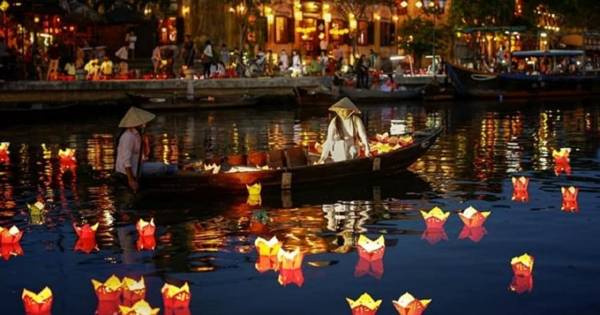
Twenty minutes in a small wooden boat on the Hoai river with the whole old town reflected in it, and a paper lantern with a candle in it that you put on the water yourself. It is the most photographed thing in Vietnam and it still works.
A cooking class that starts at the market

The best-value half day here. You start at the central market learning what everything is, take a basket boat through the coconut palms, then cook four dishes and eat them. People book this on day one and then cook Vietnamese food for the rest of their lives.
The coconut forest by basket boat

Cam Thanh is a maze of waterways through nipa palms, and you go through it in a round bamboo basket boat that a local fisherman spins on the spot for the sheer theatre of it. Touristy and completely charming, with close to seven thousand reviews.
Learning to make Vietnamese coffee

Vietnam is the second biggest coffee producer on earth and does absolutely nothing with it the way the rest of the world does. This is two hours on why, with a phin filter, condensed milk, egg coffee and coconut coffee, and the highest rated activity in the whole town.
Making your own lantern

The lanterns are the symbol of this town and they are made by hand from bamboo and silk. In a couple of hours you build one yourself, it folds flat, and you take home the only souvenir from Vietnam that nobody else on your flight has.
Cycling to An Bang Beach
Twenty-five minutes through rice fields and past cemeteries, on a bike that costs two euros and is often free where you sleep. At the end of it: four kilometres of sand, beach bars, and a lounger thrown in if you buy lunch.
Marble Mountains and Lady Buddha

The obvious day trip north: marble hills full of caves and shrines, a sixty-seven-metre Lady Buddha looking out over the sea, and Am Phu cave, which is laid out as a walk through the underworld. Half a day, and it pairs well with an afternoon in Da Nang.
Best area for backpackers
Around the old town and Cam Pho
Stay within a few streets of the old town, on the Cam Pho side. You are five minutes’ walk from the Japanese bridge, the lanterns and the night market, and far enough out that a bed costs €6 rather than €30.
Everything else is reachable by bicycle: the beach in twenty-five minutes, the coconut forest in fifteen, the rice fields immediately.
Good to know about this area
- Five minutes on foot from the old town and the lanterns
- Hostels, cafes and cheap food in the same few streets
- Bicycles from €2, often included where you sleep
- The night market is on the island across the bridge
- Tailors everywhere, and most will do two fittings in a day
- The old town itself is car-free, which makes the whole stop quieter
How to plan your days in Hoi An
Three days, split into town, beach and one thing you make with your hands. Pick how long you have.
The old town. The Japanese covered bridge, the assembly halls, the merchant houses and the yellow walls everyone photographs. Go back out late in the afternoon, when the lanterns come on.
Tonight: a boat on the Thu Bon river with a candle lantern on the water.
An Bang Beach. Cycle out in half an hour through the rice fields and the graveyards. Loungers are free if you eat or drink at one of the places behind them, and the swimming is good from spring to late summer.
Tonight: seafood on the beach, and cycle back in the dark with a light on.
Cooking class, or My Son. A cooking class starts at the market and finishes with everything you made. If you would rather have ruins, the Cham temples at My Son are an hour inland and date from the fourth century.
Tonight: final fitting at the tailor. Two days is genuinely enough here.
Food and drink in Hoi An
Hoi An has dishes you will not find anywhere else in the country, and it is protective about them. Cao lau, thick chewy noodles with pork and greens, is only supposed to be called that if the water came from one specific well in town.
Then there is white rose, banh vac: translucent shrimp dumplings pinched into a flower shape, made by a handful of families who supply the whole town. And the banh mi here is the one people fly in for, which sounds like an exaggeration until you have queued for one.






The queue at Banh Mi Phuong is long but it moves. Two streets away there is a cart doing almost the same sandwich with no queue at all.
Getting there and onward
Hoi An has no station and no airport. Everything runs through Da Nang, forty-five minutes north.
Getting there. From Da Nang airport or station it is forty-five minutes in a Grab for about €10. There is also a local bus for about a euro.
Around town. The old town is car-free and tiny. A bicycle is €2 a day and gets you everywhere, including the beach.
Onward. North, the coast road over the Hai Van Pass to Hue is one of the best rides in the country. South, Nha Trang and Da Lat are a night bus away.
- BicycleFrom about €2 a day, often free at your hostel
- GrabDa Nang in 45 minutes, about €10
- Night busNha Trang 11 hrs · Da Lat 14 hrs
- Easy riderOver the Hai Van Pass to Hue, a full day
- BoatOn the Thu Bon river, and out to Cam Thanh
Staying safe in Hoi An
One of the safest places in Vietnam. What goes wrong here is almost always about money: overpaying a tailor, or a tour that was not what was described.
- Agree the fabric, the price and the number of fittings with your tailor before anything is cut
- Buy the old town ticket at an official booth, not from someone on the street
- Put a light on your bike. The road back from An Bang is properly dark
- Ask whether the tip for the boat woman is already in the price
- Order a suit on your last day. Without a fitting it rarely sits right
- Swim at An Bang under a red flag. The rip here is strong
- Get into a boat offered to you on the street without fixing the price
- Pose in the flower boxes outside the yellow walls. Those are people's houses
Rebels on the Road tip
Everyone stays in the old town and photographs the same three streets. Get a bike out at six in the morning instead and ride to Tra Que, the herb village ten minutes north, where about forty families grow the greens that every restaurant in Hoi An uses. Farmers watering by hand with two cans on a yoke, mist coming off the beds, and no tour bus for another three hours. Then cycle on to the beach for breakfast. That is the best morning in central Vietnam and it costs two euros.
Frequently asked questions
How many days do you need in Hoi An?
Three. One for the old town, one for the beach, one for a class or a day trip. It is also the place on this route where people most often add a fourth.
Hoi An or Da Nang?
Hoi An is older, prettier and more atmospheric, and it is the one people remember. Da Nang has the better beach, the transport links and lower prices. They are forty-five minutes apart, so pick one to sleep in and day trip to the other.
Where should I stay in Hoi An?
Just outside the old town, around Cam Pho. Five minutes’ walk from the lanterns and a fraction of the price of the boutique hotels inside it.
Is Hoi An expensive?
No. About €20 a day, with a bike, the old town ticket and street food in that. The tailors are where the budget goes, and that is entirely your choice.
Are the tailors worth it?
Yes, if you give them time. Two days and two fittings gets you something that fits properly for a fraction of what it costs at home. One day and no fitting gets you something you will not wear.
What should I eat in Hoi An?
Cao lau, which only exists here, white rose dumplings, and a banh mi. Then do a cooking class and learn how the first two are put together.
Is the coconut forest worth doing?
It is thoroughly touristy and it is still fun: a round bamboo basket boat, a fisherman spinning it on the spot, and a maze of palms. Half an hour, a few euros, and usually part of a cooking class anyway.
When is the best time to visit Hoi An?
February to April: dry, warm and good for cycling. May to August is hotter with the warmest sea. September to November is the wet season, when the old town floods regularly, and that is worth knowing before you book three nights.
