
Backpacking Nha Trang
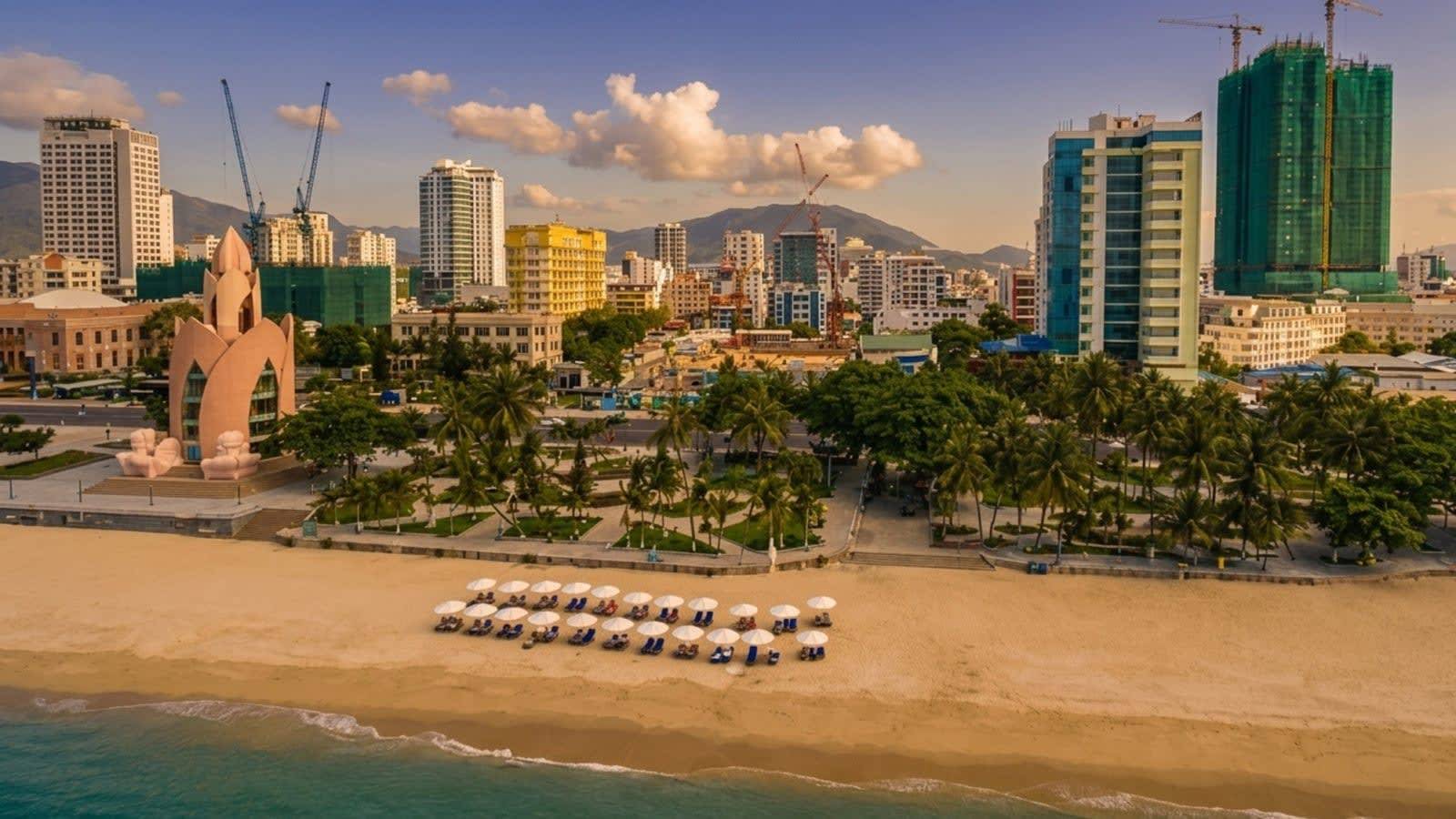
Nha Trang is the closest thing Vietnam has to a proper resort town: a six-kilometre crescent of sand with a wall of high-rise hotels behind it, a promenade, and signs in Russian. If you came looking for hidden authentic Vietnam this is not the stop, and everyone will tell you so.
What it does have is the best water on the mainland coast. Nineteen islands sit in the bay, the snorkelling around them is genuinely good from February to June, and it is the cheapest place in the country to learn to dive. Behind the beach are Cham towers that have been in continuous use since the eighth century, and a hot mud bath complex which after a week of night buses is not a joke but a medical necessity.
Two days is right. One on the water, one for the towers and the mud, and then on to the mountains at Da Lat.
Why Nha Trang is popular with backpackers
- Six kilometres of city beach, free, with loungers for €2
- Island hopping and snorkelling from about €15 including lunch
- The cheapest diving in Vietnam, with schools on the promenade
- Cham towers from the eighth century, still an active temple
- Hot mud baths outside town, which cost about the same as a beer round
- Beds from €5 and a night out that is easy to find
Best time to visit Nha Trang
Nha Trang runs on its own calendar: when it is raining in the rest of Vietnam it is often still dry here, and its wet season comes later, in the autumn.
Coming to dive or snorkel? Come between February and June. In autumn visibility is often under five metres and the boats regularly do not go out at all, which takes the entire point out of this stop.
Backpacker budget: around €18 a day
- €5hostel bed
- €1.80local meal
- €0.50beer
- €4scooter per day
Guide prices from our own days in Nha Trang. Add a tour or a night out and it climbs fast.
Best hostels in Nha Trang
Stay in the blocks behind Tran Phu, the beach road. Two streets back is quieter, cheaper and still ninety seconds from the sand.
Bondi Backpackers Nha Trang
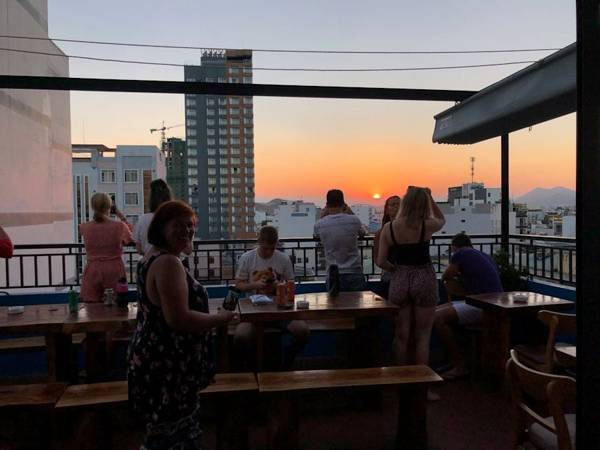
The social one: pool, bar, organised nights out, and minutes from the beach. Its score is lower than most places on this route and the reviews say why, in the same breath as saying they had a great time. Book it for the crowd, not the mattress.
The Alley
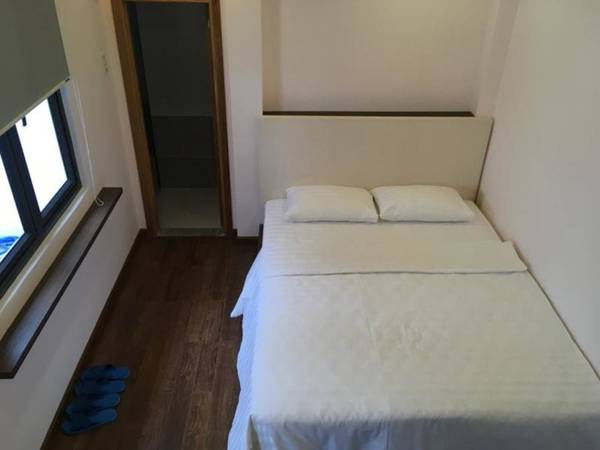
Small, quiet, central, run by people who look after it. The opposite choice: a 9.0, a fraction of the noise, and the right call if you are here to dive in the morning.
Best things to do in Nha Trang
Snorkelling and a barbecue on the boat

Half a day out among the islands with two or three snorkel stops and lunch cooked on the back of the boat. This is the thing to do here and the reason the water season matters: from February to June you get clear blue and reef fish, and the whole trip costs less than a main course at home.
Island hopping
Nineteen islands in the bay, and the full-day tours string three or four of them together with swimming, snorkelling and lunch. Hon Mun has the best reef, Hon Tam the calmest beach. Ask what is actually included before you pay, because entrance fees and gear are often extra.
The Po Nagar Cham towers
Four brick towers on a hill over the river, built between the eighth and eleventh centuries by the Cham, and still used for worship today: you will see people leaving incense and fruit while you are there. One euro, and the oldest thing you will see in southern Vietnam.
The beach itself
Six kilometres of sand in the middle of the city, cleaned every morning, with loungers for a couple of euros and a public park running the length of it. Before eight it belongs to the locals doing exercises in the surf, which is far and away the best time to be on it.
Hon Chong promontory
A pile of enormous boulders stacked at the water’s edge north of town, with a handprint in one of them that a giant is supposed to have left. Quieter than the main beach, better light, and about a euro.
Long Son Pagoda
A white Buddha, twenty-four metres of it, sitting on a hill above the city with a hundred and fifty-two steps up to it. Free, and the view over the rooftops to the sea is the reason to make the climb.
The coast road on a scooter
North of the city the coast road runs past empty bays, fishing hamlets and the mud bath complexes, and it is a much better ride than the six-lane promenade suggests. Half a day out towards Doc Let and back.
Best area for backpackers
Behind Tran Phu Beach
The blocks between the beach road and Nguyen Thien Thuat, a couple of streets inland. That grid holds the hostels, the dive schools, the cheap restaurants and the bars, and the sand is ninety seconds away at the end of it.
Directly on Tran Phu itself you are paying resort prices for a view you can walk to for free.
Good to know about this area
- Ninety seconds from six kilometres of beach
- Hostels, dive schools and tour desks in the same few streets
- Street food a block inland, at about half the promenade price
- Boats leave from the harbour just south of the centre
- The nightlife is here too, which cuts both ways
- Scooter hire from about €4 a day
How to plan your days in Nha Trang
Two days: one on the water, one for the towers and the mud. Pick how long you have.
Out to the islands. A day among the islands in the bay with snorkel stops and lunch cooked on board. Boats leave in the morning from the harbour south of the centre.
Tonight: seafood at one of the places a street behind the promenade.
Cham towers and a mud bath. Po Nagar has stood since the eighth century and is still in use. Then the hot mud baths outside town, which is exactly what a week of night buses calls for.
Tonight: walk the promenade at sunset, or take the night bus up to Da Lat.
Food and drink in Nha Trang
A fishing town that became a resort town, and on the promenade you pay for that. Walk one block inland and you eat very well for almost nothing.
The local dish is bun ca: noodle soup with fish cakes made from whatever came in that morning, lighter and sharper than pho. Beyond that this is the place for grilled squid and shellfish sold by the kilo, and for nem nuong, grilled pork you roll yourself at the table with herbs and rice paper.





Getting there and onward
Nha Trang is on the main railway line and makes an obvious stop between Hoi An and Ho Chi Minh City, or the jumping-off point for Da Lat.
Getting there. The train from Ho Chi Minh City takes about eight hours and also runs overnight. From Hoi An and Da Nang it is eleven hours on the sleeper bus.
Around town. You can walk the promenade end to end in half an hour. For the Cham towers and the mud baths take a Grab or rent a scooter for about €4.
Onward. Da Lat is four hours up through the mountains and one of the best bus rides in the country. South, Mui Ne is five hours.
- TrainHo Chi Minh City 8 hrs · Da Nang 10 hrs
- Sleeper busDa Lat 4 hrs · Mui Ne 5 hrs · Hoi An 11 hrs
- Island hoppingDay trip around the bay, about 7 hours
- ScooterFrom about €4 a day
- PlaneCam Ranh, 35 km south of the city
Staying safe in Nha Trang
This is the one place in Vietnam where pickpocketing and overcharging come up often enough to plan around. Otherwise it is a normal, safe city.
- Leave anything valuable at the hostel when you go to the beach
- Ask the price per kilo for seafood before the plate arrives at the table
- Watch the flags. The rip current here in autumn is serious
- Check whether drinks and island entry fees are in the price of a boat trip
- Carry a bag loose over one shoulder on the promenade, even in daylight
- Go with someone offering you a cheaper boat trip on the street
- Swim after a few beers on the beach. This goes wrong here every year
- Get on a scooter after drinking. The police here actively check
Rebels on the Road tip
Everyone stays on the main beach. Take a scooter twenty minutes north instead, to Bai Tien, a quiet bay tucked under the hills where the fishing boats come back in the early morning. No loungers, no promenade, no one selling you anything, and usually four or five people on the whole beach. Go at seven, buy coffee from the one stall there, and watch a working coastline do its job.
Frequently asked questions
How many days do you need in Nha Trang?
Two. One on the water, one for the towers, the pagoda and a mud bath. It is a stop rather than a destination for most backpackers, and two days is exactly right.
Nha Trang or Mui Ne?
Nha Trang for snorkelling, diving and a city with things in it. Mui Ne for dunes, kitesurfing and a quieter, more spread-out beach stop. If you only have room for one southern beach and you like being in the water, come here.
Where should I stay in Nha Trang?
A couple of streets back from Tran Phu, the beach road. Same distance from the sand, half the price, and that is where the hostels and the dive schools are.
Is Nha Trang expensive?
No. €18 a day covers it, and the big ticket items here (an island tour, a mud bath) are both under twenty euros.
Is the snorkelling actually good?
From February to June, yes: clear water, reef fish, and the best snorkelling on the Vietnamese mainland. From September onwards visibility often drops under five metres and boats get cancelled, which is worth knowing before you plan a stop around it.
Can you learn to dive in Nha Trang?
Yes, and it is the cheapest place in Vietnam to do it, with schools along the promenade. Check the season first: an Open Water course here in October is a lot of money for very little visibility.
Is Nha Trang too touristy?
It is a resort city and it does not pretend otherwise: high-rises, package tourists, menus in four languages. Take that as read and it delivers exactly what it is good at, which is water, cheap diving, and a beach you do not have to travel to.
When is the best time to visit Nha Trang?
February to August, with February to June the best of it. September to December is the wet season here, which is the opposite way round from most of the country.
