
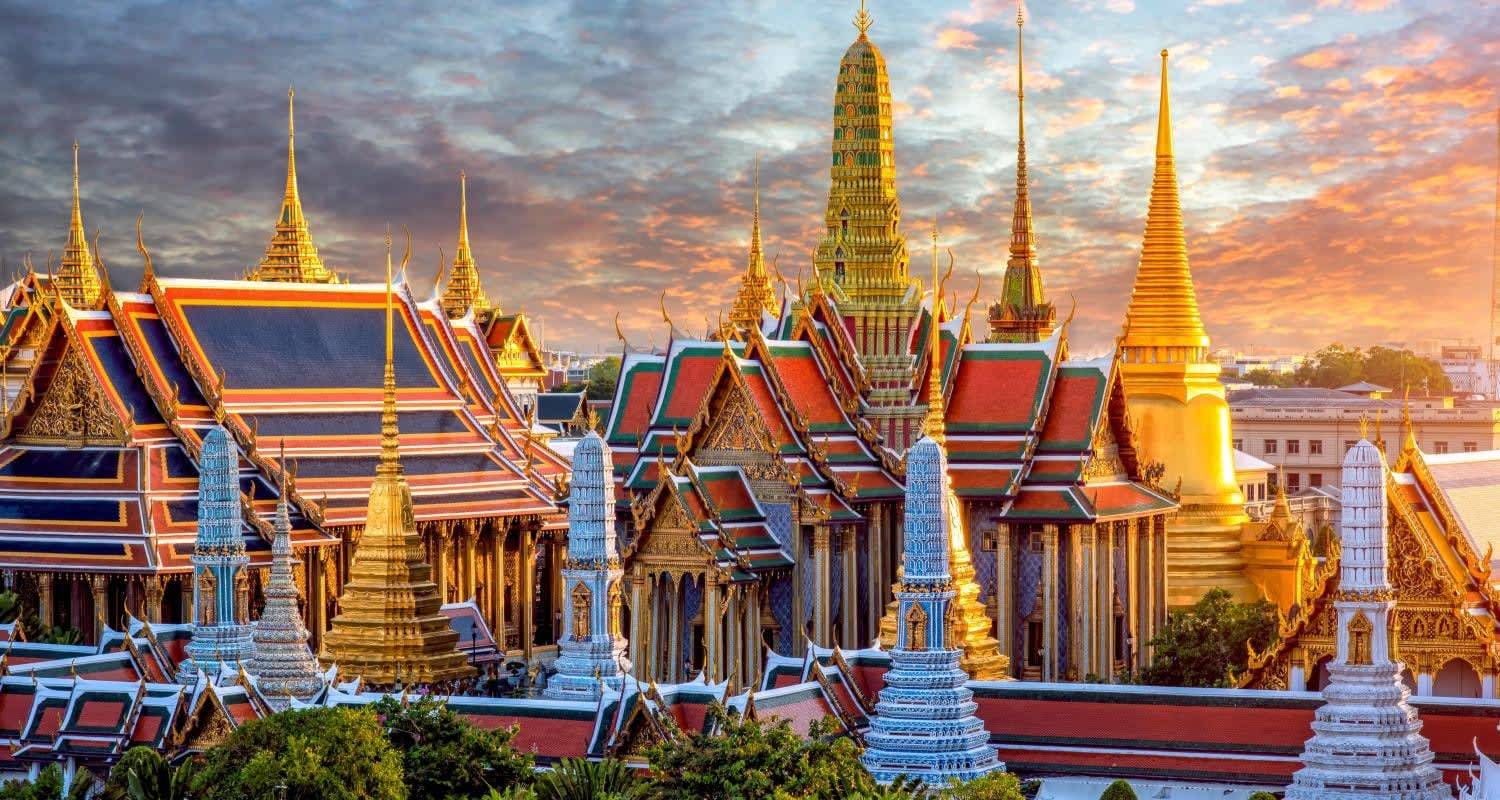
Everyone told you Thailand is touristy. Everyone is right, and it does not matter even slightly. You will still find yourself on a night bus at six in the morning with a warm beer and four new friends, wondering how a country this easy to travel can still feel this far from home.
Here is what you actually get. A capital city that does not calm down, ever. Mountains and old temples in the north where nobody is trying to sell you anything. Islands in the south that look exactly like the photos, which almost never happens. And in between: buses that run, hostels for €8, and food so good you will stop bothering with restaurants.
It is also the safest place in the region to make your first mistakes. Miss a bus, lose a flip-flop, book the wrong island. Someone will help you, it will cost you almost nothing, and it will be the bit of the story you tell best.
Why Thailand?
Because it is cheap, it is easy, and it delivers. Three weeks here and you will have done more, seen more and spent less than on ten days anywhere in Europe.
- Islands that genuinely look like the photos
- Temples that are still in daily use, not museums
- The best €2 you will ever spend on dinner
- Jungle, waterfalls and national parks you can reach by bus
- Nights out that start at a 7-Eleven and end at sunrise
- A hostel bed for €8, a private room for not much more
And because you are never the only one. The backpacker route is busy in the best way: you will keep running into the same faces three islands later.
Best time to visit Thailand
Short version: November to February. Longer version: it depends what you came for, and every month works for something.
November to February is the window everyone means when they say “the season”. Dry, warm, and busy, because everyone else read the same thing.
Rainy season gets an unfairly bad name. It usually means one loud hour in the afternoon, not a grey week, and the payoff is real: emptier islands, cheaper rooms and waterfalls that are actually falling.
Two things nobody mentions until you are already there. The two coasts have their rainy months at different times, so the Gulf islands and the Andaman islands are only both at their best from February to April. And in March and April the north has a burning season, when the air in Chiang Mai gets genuinely bad. Check which coast and which month before you book anything you cannot move.
Practical information
Most nationalities walk in without a visa and can extend once by 30 days at an immigration office. Watch the length: since 15 September 2026 you are stamped in for 30 days instead of 60. That was published in the Thai Royal Gazette on 31 August 2026. You also have to be able to show you are leaving again within your stamp, so have an onward ticket ready before you get to the desk.
Thai baht. Take cash out in big amounts, because every ATM charges a flat fee of around €5 no matter how little you withdraw.
Thai. English is everywhere tourists are, and almost nowhere they are not. Learn "thank you" and watch what it does.
Very safe, with two exceptions that get people every year: rented scooters and anything involving a stranger, a story and your bank card. Agree taxi prices before you get in.
Nothing is required to enter. Most travel clinics will want you up to date on tetanus, diphtheria and polio plus hepatitis A, and all of that can still be sorted fairly close to departure. Malaria tablets are only a question for remote jungle and border areas. On the normal route, repellent is what matters.
Our daily budget covers the whole country, including the transport between stops and the activities you came for, so it sits above what you spend in any one place. Bangkok and the islands come in at €20 to €25, the north below that, and a diving course is its own line in the accounts.
Backpacker budget: around €30 a day
- €8hostel bed
- €2local meal
- €2beer
- €8bus ride
Guide prices from our own trips. Add a night out or a dive and it climbs fast.
Thai culture
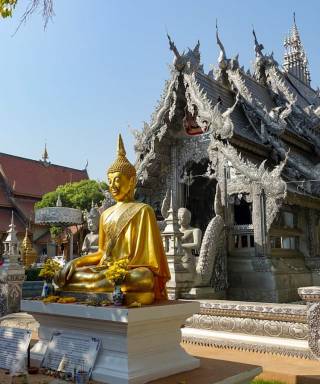
Thailand runs on staying pleasant. Not polite in the stiff sense: pleasant, calm, unbothered. Temples are part of normal life rather than sights, and once you notice that you start seeing it everywhere.
You will work out fast that getting annoyed does not work here. It does not speed anything up and it does not win the argument. It just makes you the person who lost their temper, and everyone quietly decides to help you less.
Staying calm gets you further than being right.
Cover your shoulders and knees at temples, take your shoes off at the door, and never climb on a Buddha for a photo. That last one sounds obvious and people still do it, every week, and it is the fastest way to make an entire room dislike you.
- Smile and stay calm, especially when it all goes wrong
- Take your shoes off before you walk into a temple
- Cover shoulders and knees at any temple
- Return the "wai" (palms together) when someone greets you
- Touch or climb on Buddha statues for a photo
- Touch anyone's head, or point at anything with your feet
- Raise your voice in public, ever
- Joke about the royal family. It is a criminal offence here
Thai food
This is the part that gets you. Not the beaches. You will be three days in, eating something you cannot name out of a plastic bag on a plastic stool, and you will realise you have been doing dinner wrong your whole life.
Everything is cooked in front of you, to order, for about €2. Pad thai on the way home at two in the morning. A curry that clears your sinuses. A papaya salad that you asked to be spicy and instantly regretted.
Dishes to get through before you leave:
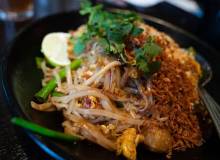
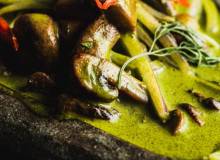

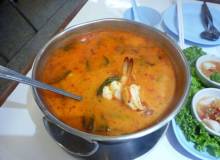

About the “will street food make me ill” question, since everyone asks it and nobody answers it properly: pick the stall with the queue. High turnover means the food has not been sitting out, and a stall with twenty locals waiting is safer than an empty restaurant with a laminated menu. The gamble is the quiet place, not the busy one.
Getting around Thailand
Thailand is the easiest country in the region to move through, which is a large part of why people start here. You can turn up, decide at breakfast where you are sleeping tonight, and be there by dark.
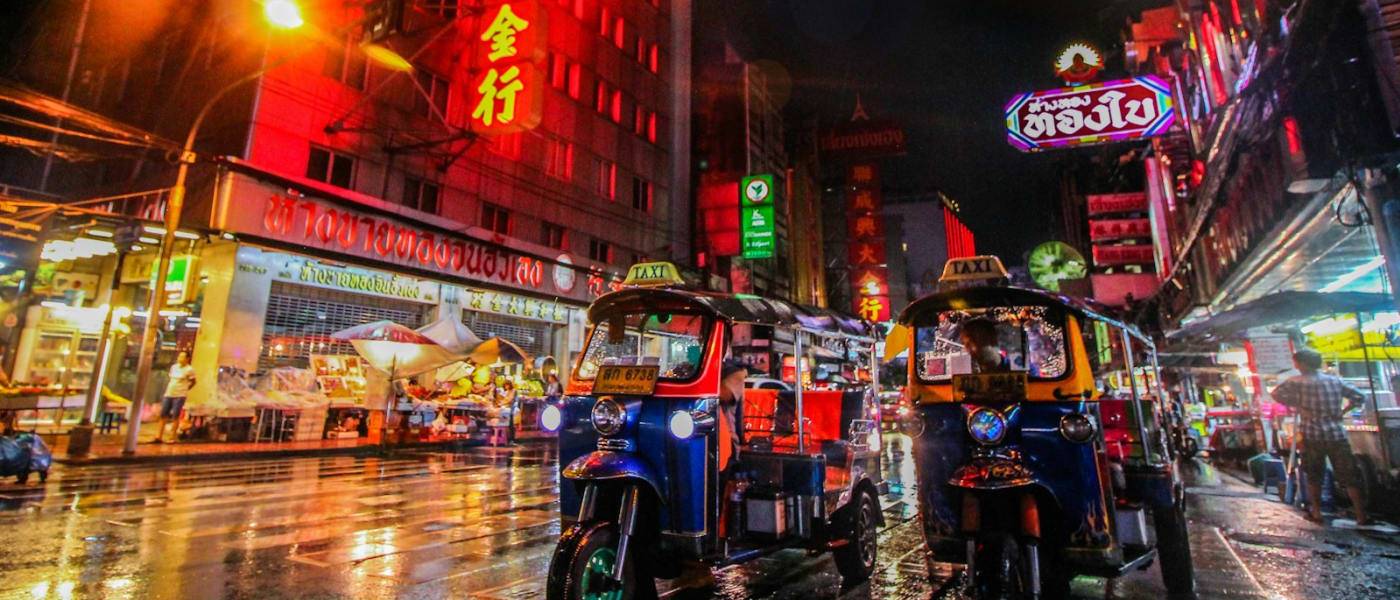
Domestic flights cost less than you think and buy you a whole day back on the long hauls. The night train to the north is a proper experience rather than just transport: bunk, curtain, breakfast, and you wake up somewhere green. Buses and minivans cover everything else for about €8.
One warning, and it is the one that matters most on this page. Thailand recognises the 1949 or 1968-convention international driving permit alongside your own licence, with the 1968 one recommended, and almost every scooter you can rent here is over 50cc, which makes it legally a motorbike. If your licence does not cover that, your insurance does not cover you either, and Thai roads are not the place to find that out. The rental shop will not ask. Ask yourself.
- PlaneCheap, and buys back a whole day
- Night trainSleep your way north. Worth doing once
- Bus & minivanGoes everywhere, costs almost nothing
- FerryThe only way to the islands
- Tuk-tuk & taxiAgree the price first. Always
Thailand for every traveller
Thailand bends to whatever trip you are having. The decision people agonise over longest is which Gulf island to commit to, and the honest answer is that Koh Tao, Koh Phangan and Koh Samui are three completely different holidays wearing the same weather.
Cheap, sociable, and impossible to get properly lost in. This is where most people's first long trip happens, and for good reason.
Calm beaches, short flights between them, and nobody minds a loud child.
A villa here costs what a mid-range hotel room costs in Europe. Worth one night at the end, just to feel rich.
Diving, jungle treks, kayaking, climbing, island hopping. Most of it bookable the evening before, for less than a night out at home.
Going alone? Do it here. Thailand is where half the solo travellers you will ever meet started, the route is busy enough that you keep bumping into the same people, and every hostel is built around the assumption that you turned up on your own and would rather not stay that way.