
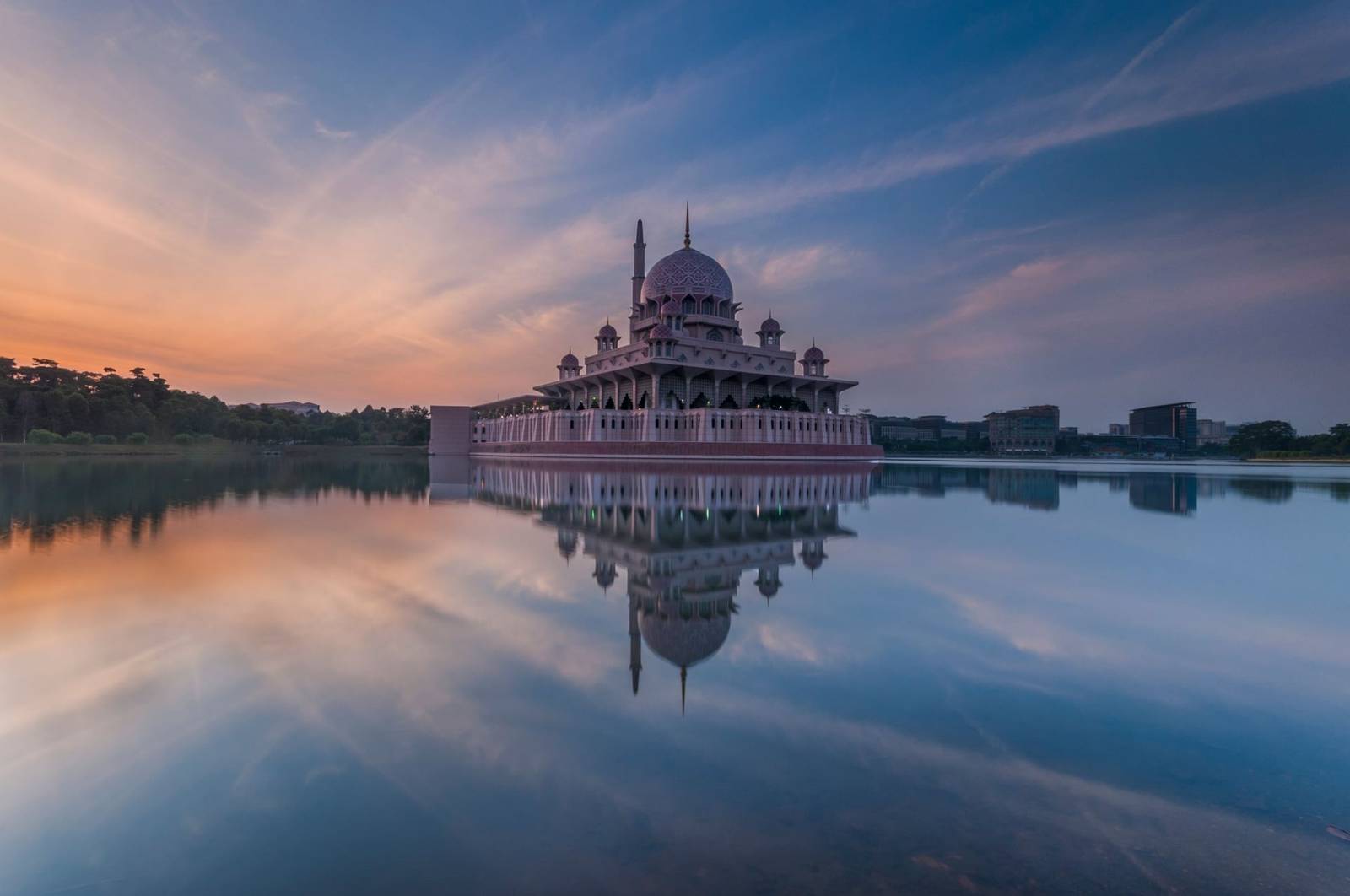
Backpacking Malaysia means backpacking two countries for the price of one. The first is the peninsula below Thailand: Kuala Lumpur, the colonial streets of Penang and Melaka, tea plantations in the hills and islands on both coasts. The second sits hundreds of kilometres away across the South China Sea. That is Sabah and Sarawak, Malaysian Borneo, where orangutans hang in the trees and Mount Kinabalu climbs to 4,095 metres.
What ties the two halves together is the street. Walk one block in George Town and you pass a mosque, a Chinese clan house and a Hindu temple, and smell curry, incense and charcoal in that order. Malay, Chinese and Indian Malaysians have lived side by side here for centuries, and you can taste it: roti canai from an Indian Muslim stall for breakfast, a bowl of asam laksa at lunch, char kway teow at night from a wok that has stood on the same corner for thirty years. For about two euros a plate.
And it is easy. The train from Kuala Lumpur to Penang is faster and comfier than most in the region, the buses run on time and nearly everyone speaks English. That makes Malaysia the perfect country to drop into after Thailand, or the one to start your whole Southeast Asia trip with. Especially if this is your first big one.
Why Malaysia?
Malaysia is the country backpackers underestimate, and then can't stop talking about. You get the big city, the rainforest and the tropical island in one trip, without much planning to make it happen.
- Hawker food from three kitchens on one street
- Orangutans and ancient rainforest on Borneo
- White sand islands on two coasts
- Diving with turtles off Semporna
- Mosques, Chinese temples and Hindu shrines side by side
- Fast trains, good buses and English everywhere
Malaysia suits backpackers who love food, nature lovers, divers, and anyone who has done a few weeks of Thailand or Vietnam and fancies a country where everything runs that little bit smoother.
Best time to visit Malaysia
Malaysia has no cold season: it sits around thirty degrees all year. What moves is the rain, and it never falls everywhere at once. The west coast (Penang, Langkawi) is driest from December to March. The east coast of the peninsula (the Perhentian Islands, Tioman) takes the northeast monsoon from roughly November to February, and that is when a lot of boats and island resorts shut. On Borneo, March to September is the driest stretch.
So when is the best time to visit Malaysia and Borneo together? March to October is the sweet spot for a trip that takes in both coasts and Borneo. Rebels on the Road tip: travelling in the northern winter? Flip the route. Stick to Penang and Langkawi, which are driest from December to March, and save the east coast islands for next time. In the monsoon months tropical downpours on the east coast can flood the interior too, so keep a spare day in your plan there.
Practical information
You get 90 days visa free in Malaysia. Your passport needs at least six months left on it and you have to be able to show a return or onward ticket: here is how to get an onward ticket. Fill in the free digital arrival card (MDAC) within three days before you arrive, also if you cross overland from Thailand. Sabah and Sarawak run their own immigration: fly from the peninsula to Borneo and you show your passport again and get a fresh stamp, even though it is a domestic flight. The full rundown is on our visa page.
The currency is the Malaysian ringgit (MYR), written RM. Reckon on roughly four and a half ringgit to the euro. Cash machines and card payments are easy in the cities; on the islands and at hawker stalls you pay cash. Which card to bring is on our travel cards page.
The official language is Bahasa Malaysia. On top of that you hear Chinese dialects like Hokkien and Cantonese, Tamil, and on Borneo dozens of indigenous languages. English is spoken almost everywhere, stalls included, which makes Malaysia one of the easiest countries in the region to get by in.
Malaysia is a safe, well organised country to travel through. Keep an eye on your bag and phone in the Kuala Lumpur crowds. The east coast of Sabah is the exception: several governments, the British FCDO among them, advise against all but essential travel to the islands off that coast, including Mabul, Kapalai and Sipadan off Semporna. Read your own government's advice before you go, and check what your travel insurance covers there.
Nothing is required to enter. Travel health services advise almost every traveller to have hepatitis A and the tetanus, diphtheria and polio combination, and both can still be done just before you leave. Typhoid is not on that standard list for Malaysia: it is advised for some travellers only, depending on how and where you travel. Whether you need malaria tablets depends on your region and your months, and that mostly comes up in the interior of Borneo. Which jabs you need and when to start is on our vaccinations page.
Our daily budget is an average across the whole country. On the peninsula you spend less: a dorm bed for seven or eight euros and a hawker plate for two. Borneo costs more, because the nature there usually means booking a tour or a river trip. And beer is pricey all over Malaysia thanks to heavy duty. Except on Langkawi and Tioman: both are duty free islands, and a can costs a fraction of what it does in Kuala Lumpur.
Backpacker budget: around €30 a day
- €8hostel bed
- €2local meal
- €3beer
- €13train ride
Guide prices for one backpacker. Add a night out or a dive and it climbs fast.
Malaysian culture

Malaysia is a Muslim country, but not a strict one. Islam is the official religion and you hear the call to prayer five times a day, yet every town has a Chinese temple hung with red lanterns and a Hindu temple crowded with painted statues. Almost a quarter of the population has Chinese roots, and a smaller share Indian. On Borneo add the indigenous peoples, like the Iban and the Kadazan-Dusun.
You notice the Muslim side in the headscarves, the halal stalls and Friday lunchtime, when the men head to the mosque en masse. You don’t notice it in the mood: Malaysians are relaxed, helpful and curious about where you are from.
One street, and you walk past a mosque, a Chinese clan house and a Hindu temple.
Alcohol is easy to find in Chinese restaurants, bars and supermarkets, but not at Malay food stalls and barely at all in the conservative east coast states like Kelantan and Terengganu. The Perhentian Islands belong to Terengganu, so not every beach there sells beer. If your trip falls in Ramadan, Muslims don’t eat during the day. You can, just preferably not in the middle of the street. And late every afternoon the Ramadan markets open, with the best stalls of the whole year.
- Take your shoes off in someone's home, in a mosque and in many temples
- Cover shoulders and knees in a mosque (the big ones lend you a robe)
- Give, take and eat with your right hand
- Point with your thumb rather than your index finger
- Hand over food or money with your left hand
- Eat or drink conspicuously in front of Muslims during the day in Ramadan
- Walk down the street with a beer in the conservative east coast states
- Go in for a handshake or a hug with someone of the opposite sex: wait until they offer a hand
Malaysian food
If there is one reason to come to Malaysia, it is the food. Three cuisines have been mixing here for centuries, and the result is out on the street: in hawker centres, covered halls full of stalls where every cook makes one dish and has spent years perfecting it. Grab a table, remember the number and order from three different stalls at once.
On the road you will be eating things like:
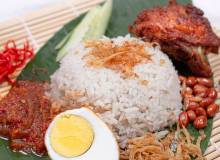
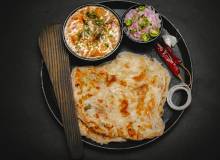
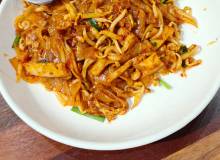
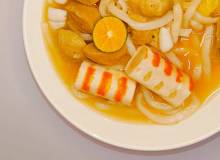
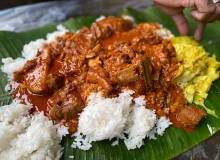
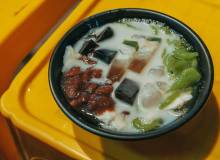
Order a teh tarik with it: sweet milky tea poured from a great height between two jugs until it wears a collar of froth. The whole country calls Penang its food capital, and everyone there has an opinion on who does the best char kway teow. Borneo eats differently again: in Kuching it is Sarawak laksa for breakfast and kolo mee for lunch, in Kota Kinabalu grilled fish at the night market by the sea.
Borneo: orangutans and rainforest
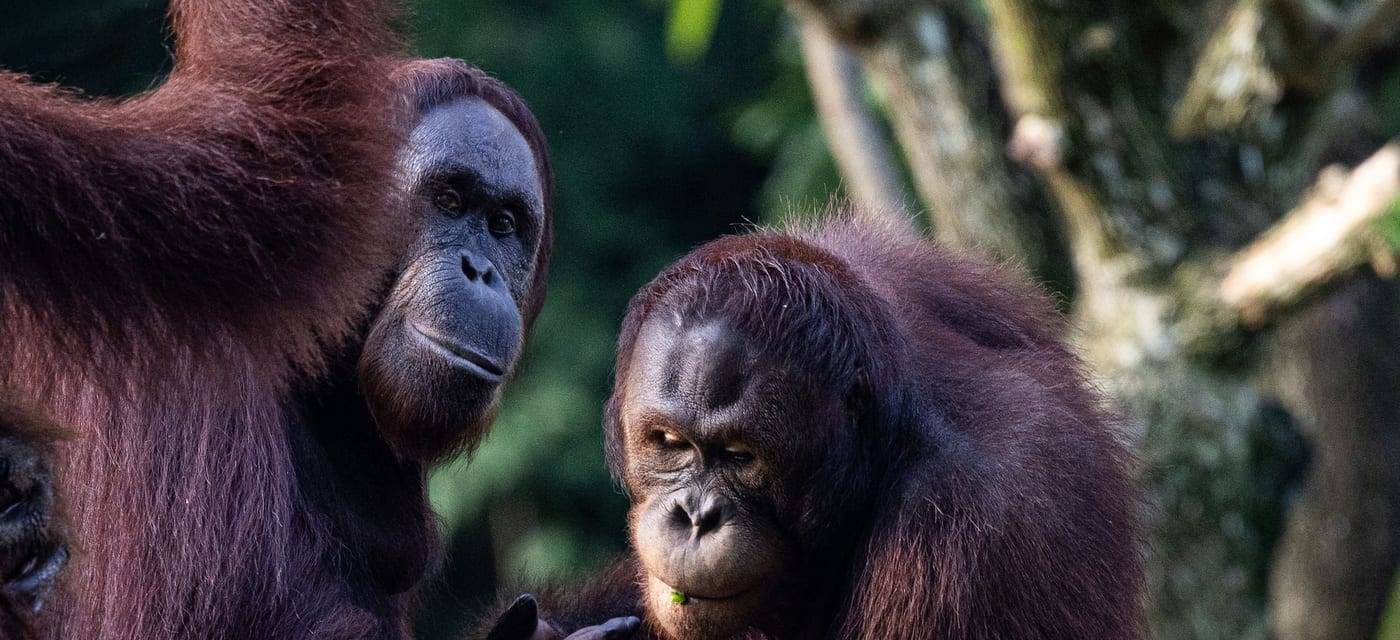
Borneo is the third largest island on earth, and its northern part is Malaysian. It feels like a different trip altogether. You fly from Kuala Lumpur to Kota Kinabalu or Kuching in under three hours, and the next day you are standing in one of the oldest rainforests in the world. This is what backpacking Malaysian Borneo is all about.
Start at Sepilok, where orphaned orangutans learn to survive in the forest. At ten in the morning and three in the afternoon they come to the feeding platform, for an entry fee of about six euros. Then carry on to the Kinabatangan, a brown river cutting through the jungle. From a small boat in the late afternoon you see proboscis monkeys in the trees, hornbills over the water and, with luck, a wild orangutan.
Want to go higher? Mount Kinabalu is a few hours from Kota Kinabalu. You climb the 4,095 metre summit in two days, with a guide and a night in a mountain hut, so you stand above the clouds at sunrise. On the other side of Borneo, Kuching is the calm, green base for national parks and Iban longhouses.
Islands on two coasts
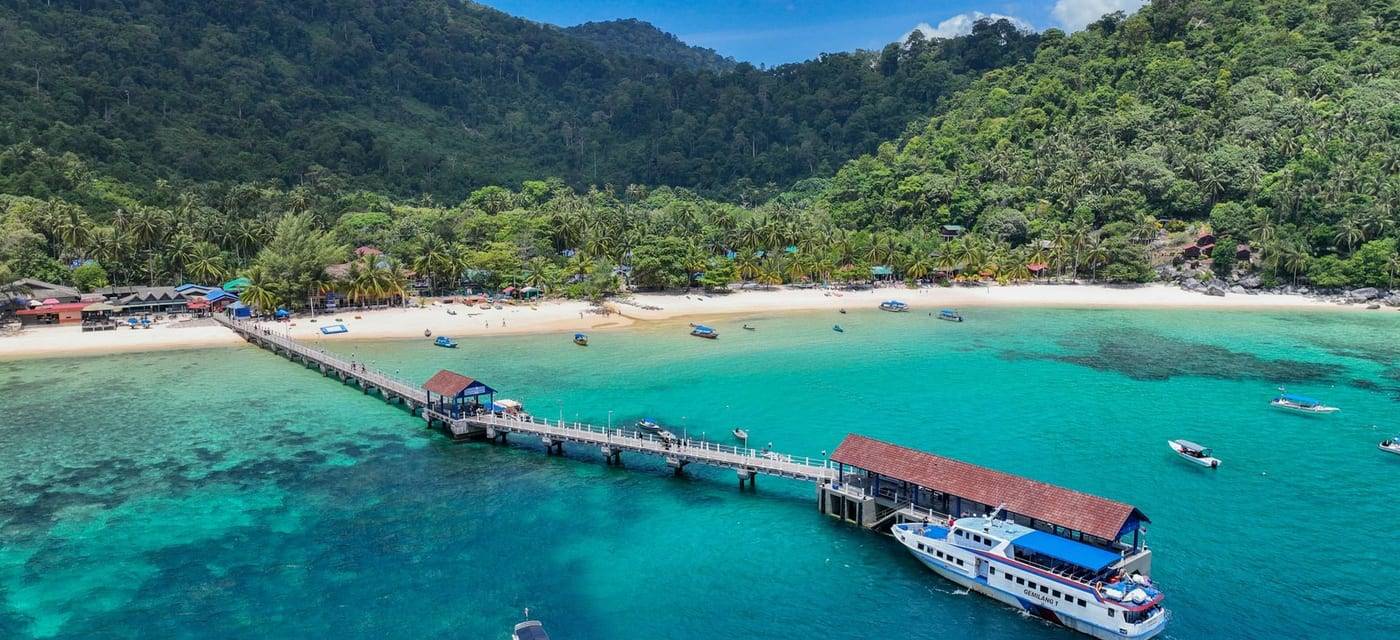
Malaysia has an island for every season, and that is exactly the trick. On the east coast lie the Perhentian Islands: clear water, turtles just off the shore and a backpacker beach on Perhentian Kecil where dinner comes with your feet in the sand. A little further south is Tioman, greener and quieter, with jungle running right down to the beach.
On the west coast lies Langkawi, the island you head for when the east coast is in monsoon. Wide beaches, a cable car up into the mountains and, as a duty free island, beer for a fraction of the mainland price.
And then there is Semporna on Borneo, the base for diving at Sipadan, one of the most famous dive sites on the planet. Schools of barracuda spin there like a tornado and you meet turtles on almost every dive. Only a limited number of divers are allowed in the water each day, so sort your permit well ahead through a dive school.
Getting around Malaysia
Getting around Malaysia is smoother than in most countries in the region. The roads are good, the buses comfortable, and the ETS train up the west coast runs from Kuala Lumpur to Butterworth in about four hours, with tickets from about thirteen euros. From Butterworth a ferry takes you across to George Town on Penang in fifteen minutes.
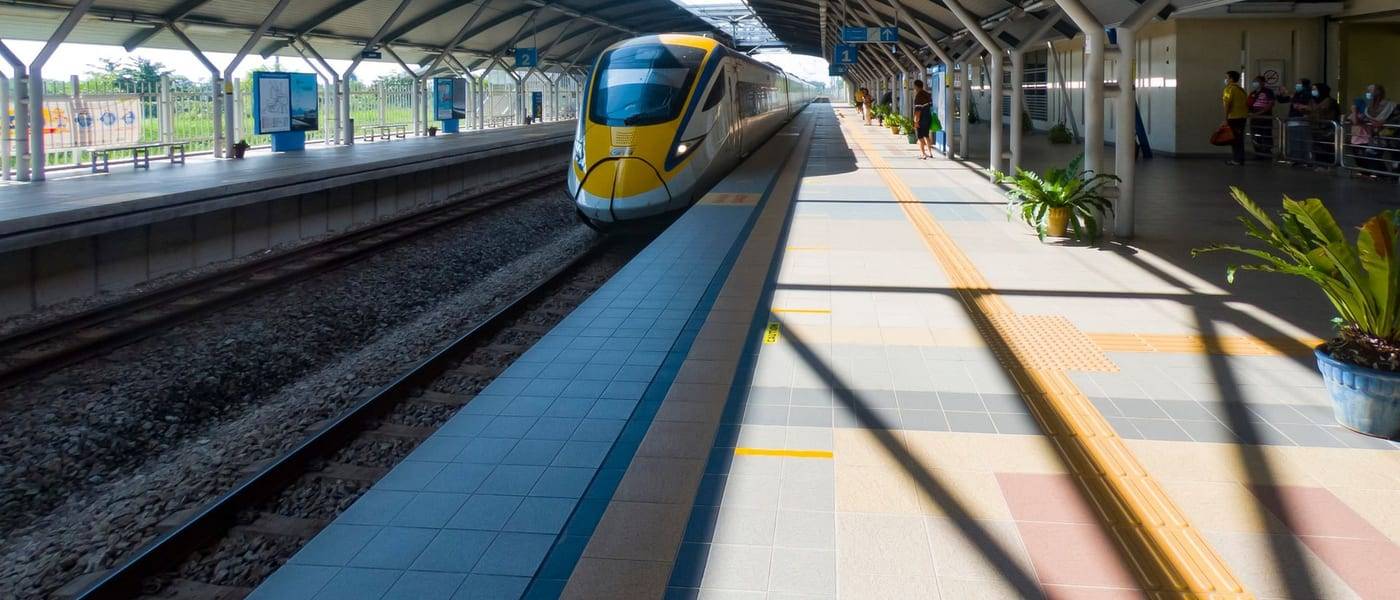
The classic Malaysia itinerary on the peninsula follows that west coast: Kuala Lumpur, Melaka, Ipoh, the Cameron Highlands, Penang and Langkawi. Cross to the east coast after that and you go by bus, while Taman Negara in the interior is classically reached by boat up the river. Insider tip: the old jungle line from Gemas to Tumpat in the northeast still runs slow trains straight through the rainforest, including a night train of about thirteen hours.
Borneo you fly to, because there is no boat. Domestic flights on the budget airlines are cheap if you book in time. In the cities you order a Grab, Asia’s Uber: fixed price, no haggling. Planning to rent a scooter on the islands? Sort out your licence and your travel insurance first.
- ETS trainFast and comfy up the west coast
- BusTo the hills and the east coast
- PlaneThe only way to Borneo
- Ferry & speedboatTo Penang, Langkawi and the islands
- GrabFixed prices in the cities
Malaysia for every traveller
Malaysia bends to however you like to travel: in the cities everything is sorted, on Borneo it is an adventure.
Good hostels, cheap food and a route that practically travels itself.
Weeks of eating without ordering the same thing twice, from Penang to the night markets of Kuching.
Orangutans, proboscis monkeys and hornbills on Borneo, and rainforest trails in Taman Negara.
Pick your coast by the season: Langkawi in the northern winter, the Perhentians and Tioman in the summer.
Going solo? Malaysia is one of the easiest countries to start with: safe, straightforward and everyone speaks English. Pack something to cover your shoulders and knees for the mosques, and you are set.


