
Backpacking Kuala Lumpur
Kuala Lumpur is the city where you land and instantly feel sorted. The airport train gets you to KL Sentral in 28 minutes, everybody speaks English, and your first plate of nasi lemak costs two euros. An hour later you are wandering Chinatown, where a Chinese temple, a Hindu temple and a mosque all sit within a few streets of each other.
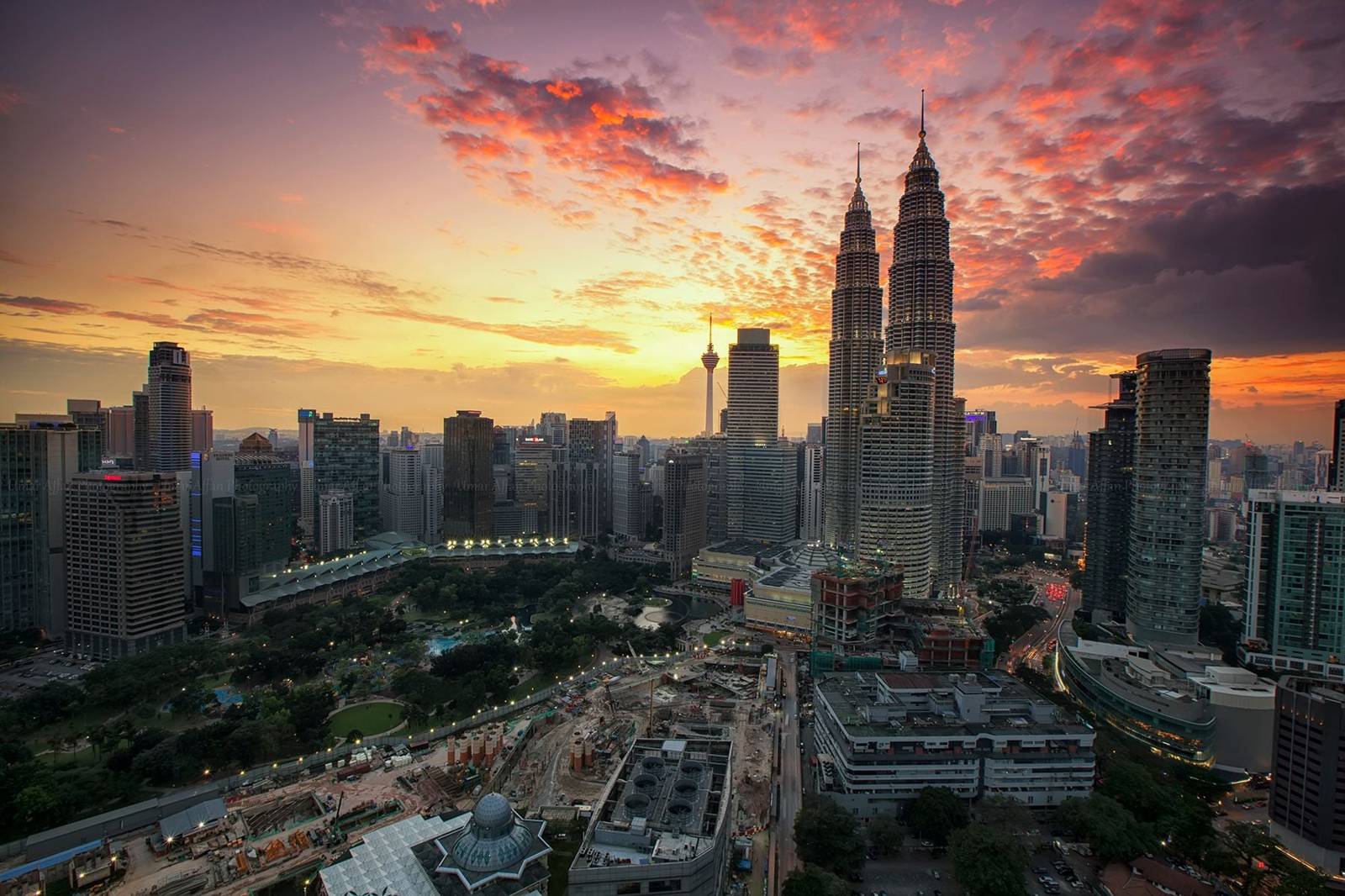
That is KL in one line: three cultures on one pavement, and you can taste it. At night Jalan Alor closes to traffic and fills with hundreds of plastic stools between the grills, the woks and the satay. In the morning you climb the 272 rainbow steps of the Batu Caves, with a 43 metre golden statue beside you and macaques eyeing up your water bottle. And at the end of the day the Petronas Towers glow over the park: 452 metres of steel and glass.
Budget a few euros a day more than in Thailand, mostly because beer is taxed hard. The trade: slick transport, good hostels, and street food that is still a steal. Three days does it. After that the bus gets you to Melaka in two hours, or the train to Ipoh in just over two.
Why Kuala Lumpur is popular with backpackers
- The easiest, cheapest way to start a trip through Malaysia
- Brilliant street food from the Malay, Chinese and Indian kitchens
- That skyline, with the Petronas Towers in the middle of it
- The Batu Caves half an hour away by train
- Good, cheap public transport
- Everybody speaks English
- Social hostels in Chinatown and Bukit Bintang
- The hub for buses, trains and cheap flights
Best time to visit Kuala Lumpur
Warm all year, around 31 degrees in the day, and it rains at least sometimes in every month. What changes is how often the afternoon storm turns up. It usually lasts an hour, then the city dries off again.
Travelling during Ramadan? Then KL tastes better than ever. Ramadan markets open all over the city towards sunset, selling dishes you barely see the rest of the year.
Backpacker budget: around €25 a day
- €8hostel bed
- €2local meal
- €3beer
- €0.50LRT ride
Guide prices for a backpacker's day in Kuala Lumpur. Add a tour or a night out and it climbs fast.
Best area for backpackers
Chinatown and Bukit Bintang
Most backpackers sleep in Chinatown, around Petaling Street. It is one stop from KL Sentral, where the airport train comes in, and the old shophouses, temples and food stalls are right round the corner. Merdeka Square and the Central Market are an easy walk.
Bukit Bintang is twenty minutes on foot and the total opposite: malls, rooftop bars, the party street Changkat, and just behind the main road the food street Jalan Alor. From here the Petronas Towers are a fifteen minute walk.
Pick Chinatown for atmosphere and an easy arrival, Bukit Bintang if you want food and nightlife on your doorstep. The LRT and the monorail get you from one to the other in a few minutes.
Why Chinatown or Bukit Bintang?
- The bulk of KL’s hostels, split between the two
- One stop from KL Sentral (Chinatown)
- Jalan Alor and Changkat on foot (Bukit Bintang)
- Loads of cheap places to eat and hawker stalls
- Well connected by LRT, MRT and monorail
- A proper backpacker vibe
For your first days in Malaysia, you cannot go wrong with either.
Best hostels in Kuala Lumpur
Chinatown Hostel by Mingle
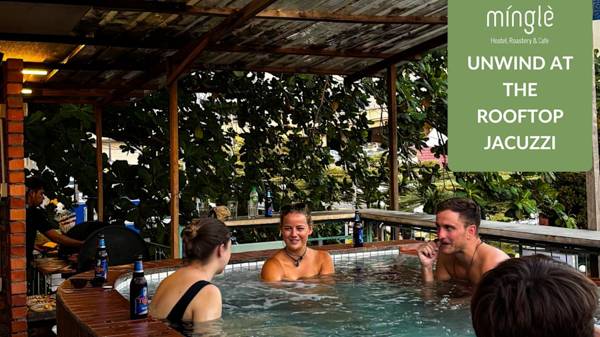
One of the best known hostels in KL, in a colonial building from around 1900 in the middle of Chinatown. The roof is the showpiece: a rooftop bar with a jacuzzi and the city spread out below. Reception is open 24 hours, the morning coffee is free and there is a programme of pub crawls, city walks and Batu Caves trips.
Landing late, travelling solo and up for meeting people? Book here.
Sunshine Bedz KL
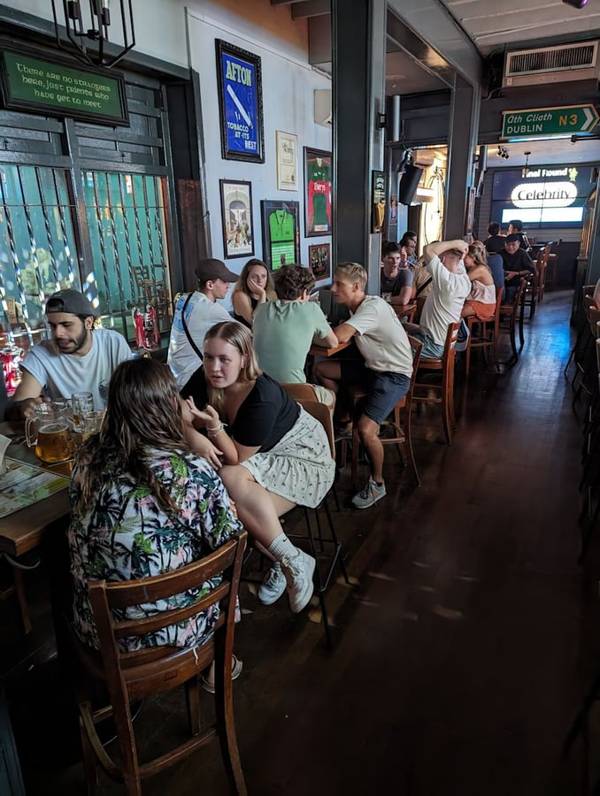
A small, family run hostel on Bukit Bintang, and with more than ten thousand reviews the most reviewed address in the city. The monorail is right there and Changkat’s bars are a few minutes’ walk. Breakfast is basic, toast and coffee, but you come for the vibe and the location.
For anyone who wants to go out, and wants Bukit Bintang as a base.
Travelogue Guesthouse @ Bukit Bintang
A calmer guesthouse in the heart of Bukit Bintang, a few hundred metres from Jalan Alor. There is a separate floor of women only dorms, a kitchen, free coffee and a reception staffed day and night. City walks and food tours can be booked at the desk.
Good for solo women, foodies and anyone who wants quiet and a great location.
Best things to do in Kuala Lumpur
Temples in the morning, towers at dusk, grills at night. KL packs a lot into one day, and a good chunk of it costs nothing.
Fireflies at Kuala Selangor
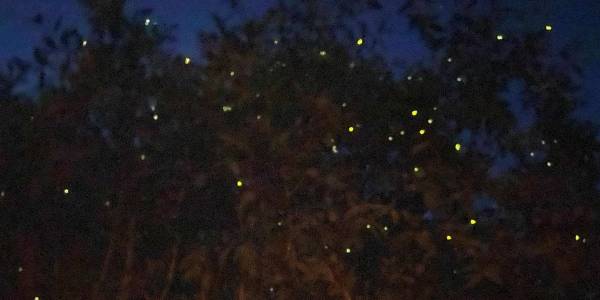
An evening out of the city: about an hour and a half’s drive to Kuala Selangor, where after dark you drift down the river in a little boat while fireflies light up the mangroves. With some luck you will see the blue tears afterwards, plankton glowing in the water.
Batu Caves
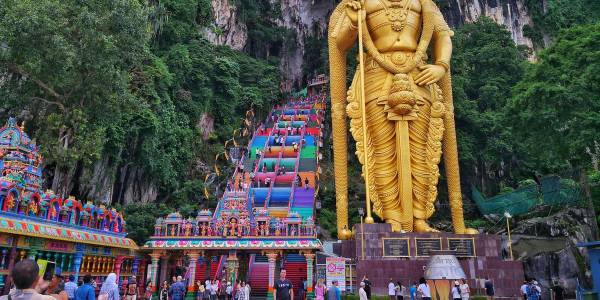
A 43 metre golden Murugan, 272 rainbow steps, and at the top a huge limestone cave with a temple inside it. The Batu Caves are Malaysia’s holiest Hindu shrine and the high point of any visit to KL.
Why go?
- That famous rainbow staircase
- A temple inside a limestone cave
- The giant golden statue of Murugan
- Cheap and easy to reach by train
Leave your snacks at the bottom: the macaques know exactly which bag to grab.
Petronas Towers and KLCC Park
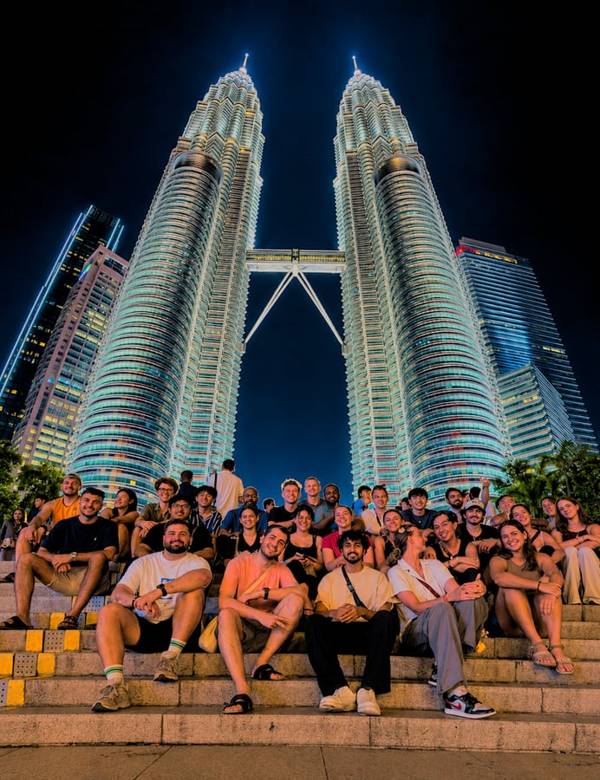
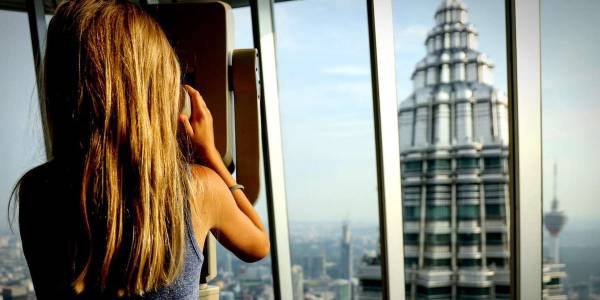
The twin towers are the face of Malaysia. You can go up, to the skybridge on the 41st floor and the observation deck on the 86th, but the best free view is from the park at their feet, when the towers light up in the evening.
Highlights
- That skyline
- A free fountain show in KLCC Park
- The skybridge between the two towers
- The photo spot at sunset
Book tickets for the top a few days ahead. The slots go fast.
Jalan Alor
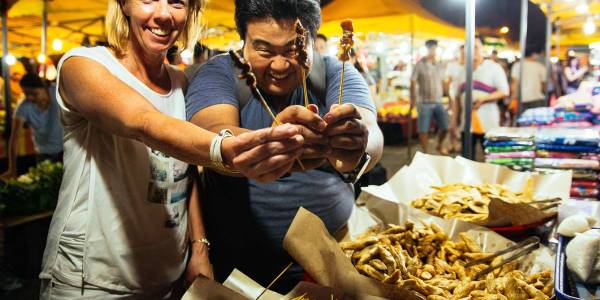
KL’s most famous food street. The moment it gets dark the tables spill into the middle of the road and the grills fight for your attention: satay, grilled fish, char kway teow, durian and fresh fruit juice.
Why go?
- Malaysia’s whole street food line-up in one street
- Buzzing until deep into the night
- Satay straight off the charcoal
- Easy to pair with the bars on Changkat
Ask the price before you order, especially fish and seafood, which go by weight.
Chinatown and Kwai Chai Hong
Petaling Street is the beating heart of Chinatown: a covered market, coffee shops and stalls that have made the same dish for generations. Round the corner is Kwai Chai Hong, a restored alley with murals of old Chinatown.
Highlights
- Old shophouses and coffee shops
- Hindu and Chinese temples a few streets apart
- Murals in Kwai Chai Hong
- A cheap breakfast at a kopitiam
This is where you feel KL as it was before the skyscrapers arrived.
Merdeka Square and Masjid Jamek
At midnight on 31 August 1957 the flag of Malaya went up for the first time on Merdeka Square. Colonial buildings with domes and arches line it, and a few minutes away is Masjid Jamek, the old mosque sitting exactly where two rivers meet.
Why go?
- The historic heart of the city
- Gorgeous colonial architecture
- One of the oldest mosques in KL
- Easy to combine with a walk through Chinatown
Thean Hou Temple
A six storey Chinese temple on a hill, with hundreds of red lanterns and a view over the city. You will mostly share it with locals, which is half the appeal.
Highlights
- Hundreds of red lanterns
- A view over the skyline
- Quieter than the famous spots
- Beautiful at Chinese New Year
An hour is plenty, and it is the prettiest free spot in the city.
Kuala Lumpur itinerary: two or three days
Three days covers KL: a day in the old city, a day of towers and food, and a morning at the Batu Caves. Pick how many days you have.
Chinatown and the old city. Breakfast at a kopitiam around Petaling Street, then Kwai Chai Hong, the Sri Mahamariamman Temple, Merdeka Square and Masjid Jamek. Duck into the Central Market before the afternoon storm.
Tonight: the Petaling Street market, then a drink on your hostel roof.
Batu Caves and the towers. Take an early Komuter to the Batu Caves and climb the 272 steps before it gets hot. In the afternoon head to KLCC Park and the Petronas Towers, and stay until they light up.
Tonight: dinner on Jalan Alor and a beer on Changkat.
Temples and neighbourhoods. The Thean Hou Temple and its lanterns, then Brickfields, the Indian quarter next to KL Sentral, for a banana leaf meal. Or pick one of the many museums and malls if it is raining.
Tonight: the bus to Melaka or the train to Ipoh.
Food and drink in Kuala Lumpur
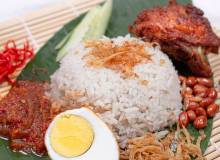
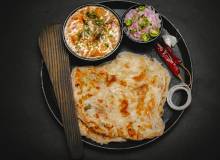
KL is one of the best food cities in Southeast Asia, precisely because three kitchens run into each other here. Malay breakfast, Chinese noodles for lunch and Indian off a banana leaf for dinner: that is a normal day.
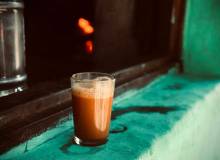
Eat at the hawker centres and kopitiams, where two euros gets you a full plate. Alcohol is pricey thanks to the tax: a beer in a bar easily costs three euros or more, while a fresh fruit shake is a fraction of that.
What to eat in Kuala Lumpur:



Getting there and onward
Kuala Lumpur is the front door to Malaysia. Almost every trip through the peninsula starts here, and buses, trains and cheap flights take you everywhere from KL.
From the airport. KLIA and KLIA2 are about 50 kilometres outside the city. The KLIA Ekspres gets you to KL Sentral in 28 minutes for about €11 (about €13 from January 2027). The airport bus is cheaper, about €3, but takes an hour.
Around the city. LRT, MRT and monorail go everywhere for fifty cents to a euro a ride. For the rest, take a Grab, usually a few euros. Buses south and up to the Highlands leave from TBS (Terminal Bersepadu Selatan), a few stops by train from KL Sentral.
Onward. South is Melaka, two to two and a half hours by bus from TBS. North, take the ETS train to Ipoh, just over two hours from KL Sentral, or the four to five hour bus straight to the Cameron Highlands.
- AirportKLIA Ekspres 28 minutes, about €11
- LRT, MRT and monorailFrom about €0.50 a ride
- GrabRides in the city usually €2 to €4
- Bus from TBSMelaka 2 hrs · Cameron Highlands 4 to 5 hrs
- ETS trainIpoh just over 2 hrs from KL Sentral
Staying safe in Kuala Lumpur
KL is a safe city to walk around, at night too. Mind your stuff in the crowds, and on the pavement, where scooters sometimes pass closer than you expect.
- Use Grab instead of a taxi without a meter
- Carry your bag on the building side, not the road side
- Cover shoulders and knees in temples and mosques
- Bring an umbrella or rain jacket for the afternoon storm
- Carry food or plastic bags up the Batu Caves steps
- Believe the designer watch on Petaling Street is real
- Order fish by weight without asking the price first
- Bring or buy drugs: Malaysia's penalties are extremely harsh
Rebels on the Road tip
Walk into KLCC Park around sunset, grab a spot by the lake and wait for the towers to light up: the skyline for free, with the fountain show thrown in. Then take the walkway to Bukit Bintang and finish on Jalan Alor. One evening, both faces of KL, the shining towers and the smoking grills, and not a single ringgit spent on a ticket.
Frequently asked questions
How many days do you need in Kuala Lumpur?
Three days is ideal for most backpackers. That gives you time for Chinatown, the Batu Caves, the Petronas Towers and a few nights of street food.
Do you need a visa for Malaysia?
No: you can stay up to 90 days visa free. Do fill in the Malaysia Digital Arrival Card (MDAC) online in the three days before you land. It is free. Sabah and Sarawak on Borneo give you their own entry stamp when you arrive there. Check your own passport on our visa page.
Where should I stay in Kuala Lumpur?
Chinatown for atmosphere and an easy arrival from KL Sentral, Bukit Bintang for food and nightlife. They are twenty minutes’ walk apart.
Is Kuala Lumpur expensive?
A bit pricier than Thailand, and the beer is to blame. Budget about €25 a day: €8 for a dorm bed, €2 for a plate of street food, and the rest for the LRT and a cold one on Changkat.
How do you get from the airport to the city?
The KLIA Ekspres gets you to KL Sentral in 28 minutes for about €11. The airport bus costs about €3 and takes an hour.
What are the best things to do in Kuala Lumpur?
The Batu Caves, the Petronas Towers at sunset, Jalan Alor, Chinatown and the Thean Hou Temple.
How do you get to the Batu Caves?
The KTM Komuter from KL Sentral, just over half an hour for about €0.50. The train stops right next to the steps.
Is it worth going up the Petronas Towers?
The best view of the towers is free, from KLCC Park when they light up in the evening. If you want to see them from inside too, the ticket for the skybridge and the deck is about €20: book a few days ahead.
Where do you go after Kuala Lumpur?
The classic route takes a detour south to Melaka first, then heads north through Ipoh and the Cameron Highlands to Penang.
Sources: hostel ratings from Hostelworld, tours and reviews from GetYourGuide, transport and travel times from 12Go, visa rules from the official immigration sites (see our visa page). The daily budget is our own estimate based on hostel, food and transport prices. How we work.
