
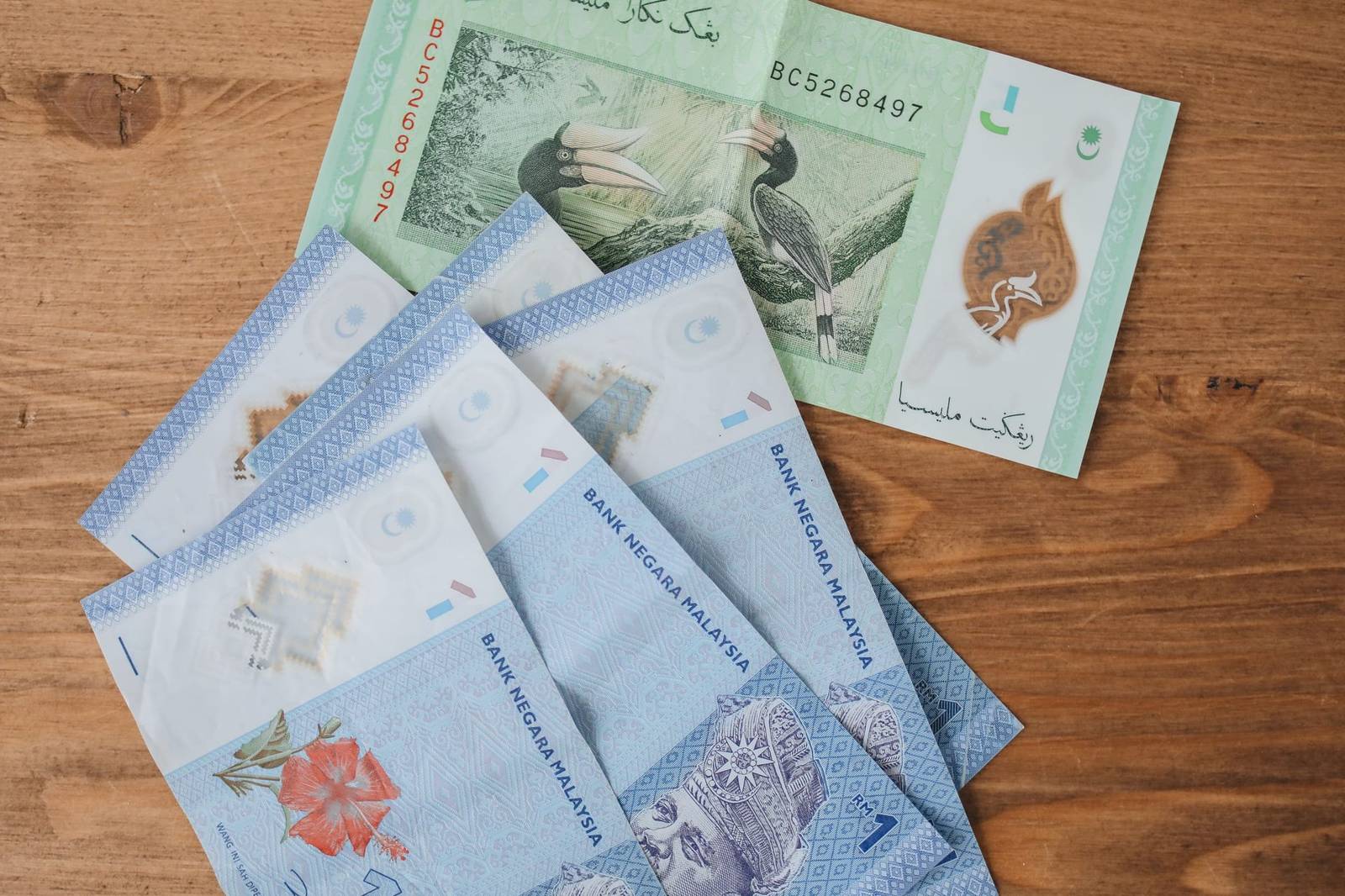
Malaysia has two price tags, and the cheap one is on your plate. At a hawker stall you eat for €2 almost everywhere in the country, in Kuching for just €1.50, and a dorm bed on the peninsula costs €8 nearly everywhere. At €20 a day Ipoh is the cheapest stop on the route. Kuala Lumpur, Penang and Langkawi sit at €25.
The expensive price tag hangs on two things: beer and water. Alcohol is taxed hard, so a beer often costs €3, more than your dinner. And the moment you head for an island or into the jungle, everything goes by boat. That pushes the east coast islands up to €30 a day, and on Borneo you mostly buy the wildlife as a package or a tour.
For the country as a whole, count on about €30 a day. That is above almost every figure below, and that is the point: it includes the trains, buses, boats and flights between your stops, plus the trips you came for. The three big extras on Borneo, the Kinabatangan, Sipadan and Mount Kinabalu, you add on separately.
Daily budget per stop
This is what you spend per day in each place, without the transport to get there and without tours, in route order:
- Kuala Lumpur: €25
- Melaka: €22
- Ipoh: €20, the cheapest stop in the country
- Cameron Highlands: €22
- Penang: €25
- Langkawi: €25
- Perhentian Islands: €30
- Taman Negara: €28
- Tioman: €30
- Kuching: €22, the cheapest stop on Borneo
- Kota Kinabalu: €25
- Sepilok: €30, including entry to the orangutans and the sun bears
- Kinabatangan: €60, because here you pay for a package with bed, meals and cruises
- Semporna: €30, not counting the dives
The pattern is easy to read. The cities and the hills on the west side of the peninsula sit between €20 and €25, the places you only reach by boat at €28 to €30. Kuching is the surprise: you expect Borneo to be the priciest part, and that is exactly where you eat and sleep cheapest in the whole country.
Our verdict: Ipoh and Kuching give you the most Malaysia per euro, so an extra night there is never wasted
What a bed costs
On the peninsula it is refreshingly simple. A dorm bed costs €8 in Kuala Lumpur, Melaka, Ipoh, the Cameron Highlands, Penang, Langkawi and Taman Negara. On the east coast islands you pay more, €10 on the Perhentian Islands and on Tioman, because everything comes in by boat.
On Borneo the range is wider. Kuching is the cheapest bed on the route at €6, Kota Kinabalu sits at €8 and Sepilok at €9. In Semporna most backpackers sleep in a dive shop dorm, and there you count on €12. On the Kinabatangan there are no hostels in the usual sense: a two-day, one-night package with a dorm bed starts at about €110, which is why the bed there is down as €55.

On the Perhentian Islands, in Taman Negara and on Tioman most places to sleep are not on Hostelworld. You book through the guesthouse itself or just turn up, and outside the busy months that almost always works. Only in June, July and August is it worth locking in your first nights on Long Beach ahead of time.
What food and drink cost
Food is the easiest part of your budget. A meal costs €2 in Kuala Lumpur, Melaka, Ipoh, Penang, Taman Negara and Kota Kinabalu, €2.50 in the Cameron Highlands, on Langkawi, in Sepilok and in Semporna, and €3 on the Perhentian Islands, on Tioman and on the Kinabatangan. Kuching is the cheapest on the route at €1.50.
And you often come in lower still. A bowl of asam laksa in Penang costs about €1.50, a white coffee in Ipoh from about €0.60, and at the night market in Kota Kinabalu a grilled chicken wing starts at about €0.40. Eat at the hawker stalls and the kopitiams and you stay under budget without giving anything up. What to order there is in our guide to food in Malaysia.
Beer is another story. Alcohol carries a heavy tax, so a beer costs €3 in most places, €2.50 in Taman Negara and Kuching and €4 on the Kinabatangan. Two islands escape it: Langkawi and Tioman are duty free, and there a beer is €1.20 and €1. A can from the supermarket even costs less than a euro. On the Perhentian Islands, which belong to conservative Terengganu, you can get a beer, but not everywhere, and it costs €3.
Our verdict: save your beers for Langkawi and Tioman and drink teh tarik on the way
What transport costs
In the cities you get by on very little. A ride on the LRT in Kuala Lumpur costs about €0.50, a bus on Penang a few cents, and the CAT bus round George Town is free. Grab costs about €2 a ride in Kuching and Kota Kinabalu, and in Kuching a wooden sampan takes you across the river for about €0.20. In Melaka you hire a bike for about €2 a day, on Langkawi a scooter for about €8. On that island the scooter is no luxury: public transport barely exists.
Between stops, transport is good and affordable. The ETS train from Kuala Lumpur to Ipoh costs from about €5, the one to Butterworth, where you catch the ferry to Penang, from about €13. The bus from Kuala Lumpur to Melaka is about €3, the one from Ipoh to the Cameron Highlands about €4. The river boat from Kuala Tembeling to Taman Negara costs about €7, and it is one of the best rides in the country.
The islands cost a little more to reach. The speedboat to the Perhentian Islands is about €7 one way, plus about €6 for the marine park. The ferry to Tioman is €12 to €17, plus about €6 in cash for the marine park. Once there you take a water taxi, from about €4 a ride on the Perhentians and about €6 on Tioman.
To Borneo you fly, because no boat makes the crossing. Those flights are cheap if you book them in time, and that is the biggest saving you can make on transport. How it all connects is in our guide to getting around Malaysia.
Borneo: three costs you budget separately
On Borneo the daily figures are not the problem: Kuching and Kota Kinabalu are among the cheapest stops on the route. The money goes on three things you cannot squeeze into a daily budget, and they are also the reason you make the crossing at all.
The Kinabatangan
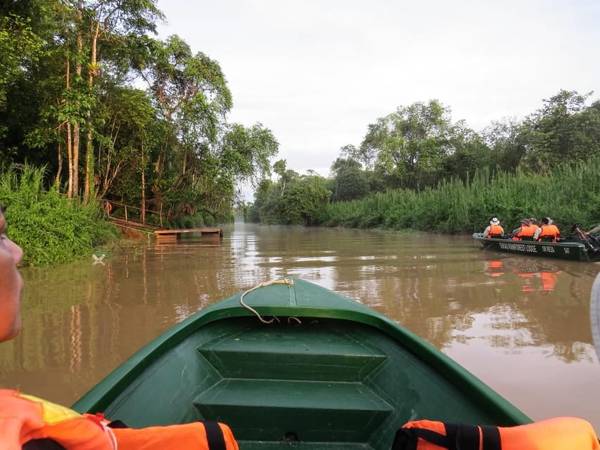
On the river you pay for a package with your bed, meals, the cruises and often the transfer from Sepilok or Sandakan. Two days and one night in a dorm starts at about €110, more with a private room. Every extra cruise is about €12 on top. On the way you often stop at the Gomantong Caves, for about €6 entry and about €6.50 camera fee. Take two nights if you can: the elephants never show up by appointment, and an extra morning and evening on the water gives you a much better shot. Everything you need to pick a lodge is on our Kinabatangan page.
Sipadan
Diving Sipadan is the most expensive dive day in the country. The permit alone is about €70, and a full dive day often comes to €250 or more. You need at least Advanced Open Water; an Open Water course in Semporna starts at about €285. Not diving? Then the day tour to Bohey Dulang, Mantabuan and Sibuan is your big day, from about €55 including park fee and lunch.
Several governments, including the UK’s, advise against all but essential travel to Sipadan, Mabul and Kapalai. Plenty of travel insurance policies cover less there, or nothing at all, so check your travel insurance before you book. How the permits work is in diving Sipadan and Semporna.
Mount Kinabalu
The climb to the summit at 4,095 metres takes two days, with a compulsory guide, a permit and a night in the Panalaban mountain huts. The fixed park costs already come to about €200 per person, and a full package with transport from Kota Kinabalu starts at about €550. Book it before anything else, ideally six months ahead, and plan the rest of your days in the city with our Kota Kinabalu page.
If that does not work out, or it does not fit your budget, head to Kundasang on the flank of the mountain instead. Desa Dairy Farm costs a few euros there, and the view of the summit from the vegetable fields costs nothing.
Our verdict: budget Borneo per activity instead of per day, and pick which of the three makes your trip
How much do three weeks in Malaysia cost?
At about €30 a day you end up around €630 for three weeks, including the transport between stops, your beds, your food and a normal amount of trips. On top of that come the Borneo extras you choose: from about €110 for a night on the Kinabatangan, from about €550 for a full Kinabalu package and €250 or more for a dive day on Sipadan.
The smaller wildlife tickets on Borneo are kind to your wallet. Semenggoh is about €2 to get in, the rehabilitation centre at Sepilok about €6 plus €2 camera fee, and Bako about €4 entry plus a boat of about €40 return that you share between five. How to split those three weeks is in our 3-week Malaysia itinerary.
How to keep it cheap without missing out
Share the boats. You split the boat to Bako five ways, the boat to Lata Berkoh in Taman Negara costs about €32 for up to four people, and a mangrove boat in Kilim on Langkawi is about €120 for up to ten, so about €12 each if you share. Team up with a few people from your hostel and you pay a fraction.
Take the train up the west coast and the bus into the hills, book your flight to Borneo as soon as your dates are fixed, and eat where the locals eat. A lot of what makes Malaysia special is free: the Batu Caves, the street art in George Town and Ipoh, the BOH tea plantation, the sunset in Kota Kinabalu.
And bring cash to the places without a cash machine. There are none at all on the Perhentian Islands or on the Kinabatangan, Tioman has one in Tekek that does run dry, and for Taman Negara you bring your money from Kuala Lumpur or Jerantut. Which card to use for that is on our travel cards page.
Is Borneo more expensive than the peninsula?
Per day, barely. In Kuching a day costs €22, with the cheapest bed (€6) and the cheapest meal (€1.50) in the whole country, and in Kota Kinabalu you pay the same as in Kuala Lumpur.
The difference is in what you do there. On the peninsula you wander George Town or Ipoh for free; on Borneo you step into a boat or a package for almost everything. A night on the Kinabatangan, a dive day on Sipadan or the climb up Mount Kinabalu each cost several times a daily budget.
And that is exactly why you fly over. Budget the country at about €30 a day, set the Borneo extras you pick next to it, and you know where you stand before you go. All fourteen stops with their own budget are on our Malaysia page.


