
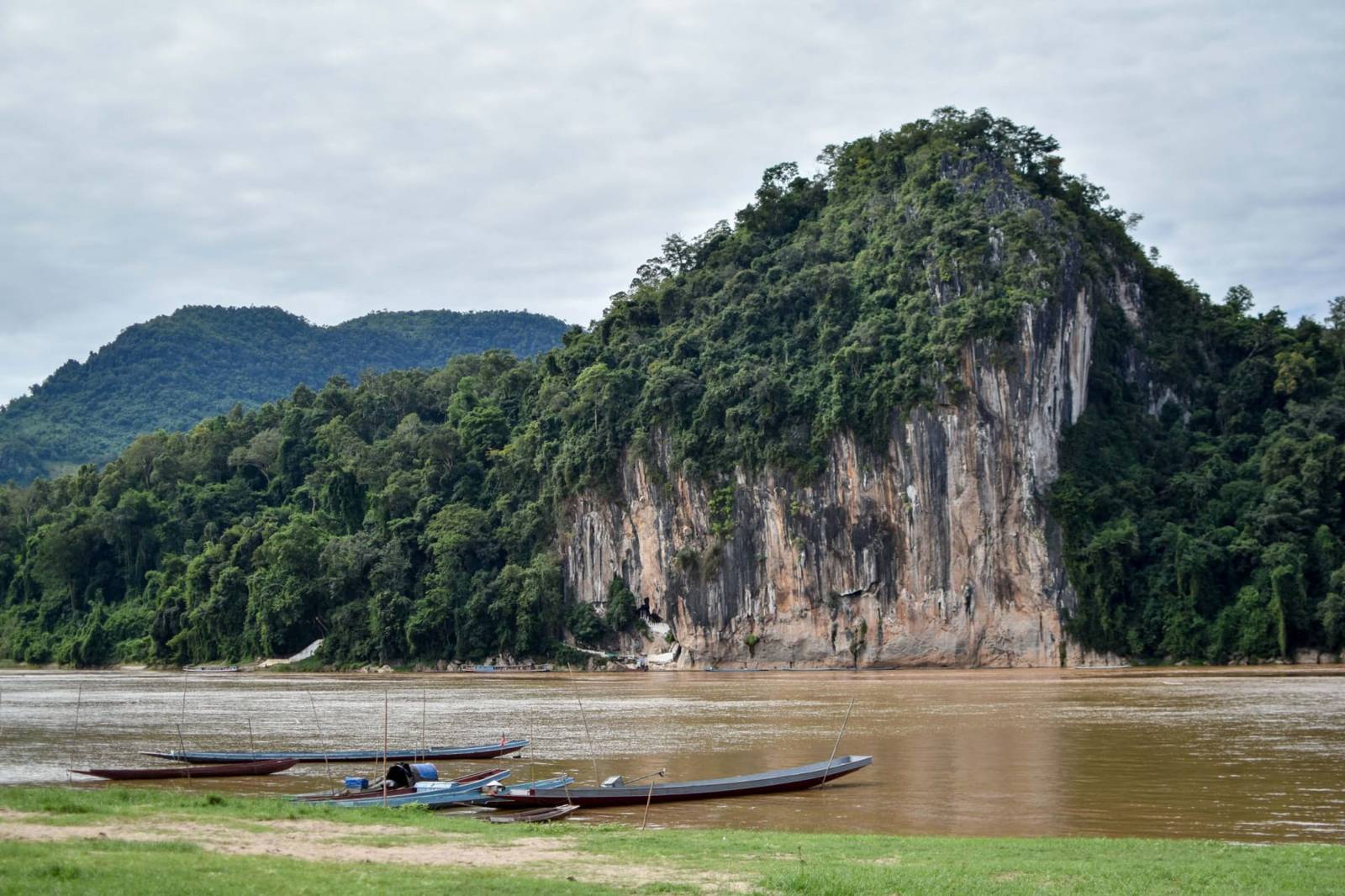
Laos is the quietest country on the Southeast Asia route, and the route through it simply follows the Mekong. You come in at the top from Thailand, spend two days on a boat to Luang Prabang, then work your way south by fast train and night bus to the 4000 Islands on the Cambodian border. The choices are the rest. Which of the two motorbike loops do you ride, do you add the Gibbon Experience, and how many days does Nong Khiaw get?
Eight stops and the slow boat between the first two, from Huay Xai on the Thai border to Don Det on the Cambodian one. For each one you get how many days it needs, how to reach the next stop and which hostel we would start with. Then we cut the whole thing into three sizes: two, three and four weeks. A Lao visa is good for thirty days, so even the full route fits comfortably.
Every stop links to our page for that place, which is where you will find the neighbourhoods, the hostels and everything there is to do.
The route at a glance
- Huay Xai (1 day, or 3 with the Gibbon Experience)
- The slow boat to Luang Prabang (2 days)
- Luang Prabang (3 days)
- Nong Khiaw (2 to 3 days)
- Vang Vieng (2 to 3 days)
- Vientiane (1 to 2 days)
- Thakhek (1 day, plus 3 or 4 days for the loop)
- Pakse (1 day, plus 3 days for the Bolaven Loop)
- Don Det (2 to 3 days)
Add up the low end and you are already past three weeks. The route splits into three pieces: the north with the slow boat, Luang Prabang and Nong Khiaw, the middle with Vang Vieng and Vientiane, and the south with the two motorbike loops and the 4000 Islands to finish.
Two, three or four weeks?
2 weeks: the north plus one loop
Huay Xai (1), the slow boat (2), Luang Prabang (3), Vang Vieng (2), Vientiane (1) and Thakhek with the loop (1 plus 4). That makes 14 days, and in that time you get the Mekong, the most beautiful town in Laos, the limestone peaks of Vang Vieng and the Kong Lor cave.
Nong Khiaw, Pakse and Don Det wait for a longer trip. From Thakhek you carry on into Vietnam over the Cha Lo border towards Phong Nha, or cross back into Thailand at Nakhon Phanom.
3 weeks: add Nong Khiaw and the south
Take the two-week route and add Nong Khiaw (2), Pakse with the Bolaven Loop (1 plus 3) and Don Det (2). Nong Khiaw is a side trip from Luang Prabang, three hours by minibus there and the same road back. After the Thakhek Loop you ride on to Pakse in six hours, and from Don Det you cross the border into Cambodia.
That makes 22 days: three weeks with a day of slack, both loops ridden, and a hammock on the Mekong at the end.
4 weeks: everything, including the Gibbon Experience
Every stop at the generous end of each range, plus the two-day Gibbon Experience out of Huay Xai: count on 29 days. That is right at the thirty days of your visa, so either stop there or extend while you are in the country. This is the route below, in the order we describe it.
The north: the Mekong, the most beautiful town and the quietest river
1. Huay Xai (1 day, or 3 with the Gibbon Experience)
The front door of Laos, opposite Chiang Khong in Thailand. You cross the Friendship Bridge, sort your visa at the border with US dollars in cash, buy your slow boat ticket at the official office and sleep one night as close to the pier as you can. How to get here from Chiang Rai is in Chiang Rai to Laos.
Huay Xai is also where the Gibbon Experience starts: two or three days in the jungle of Bokeo, sleeping in treehouses and flying along ziplines up to half a kilometre long. Book it well ahead, because the places are limited. The Gibbon Experience has its own section on our Laos page, and the rest of the town is on our Huay Xai page.
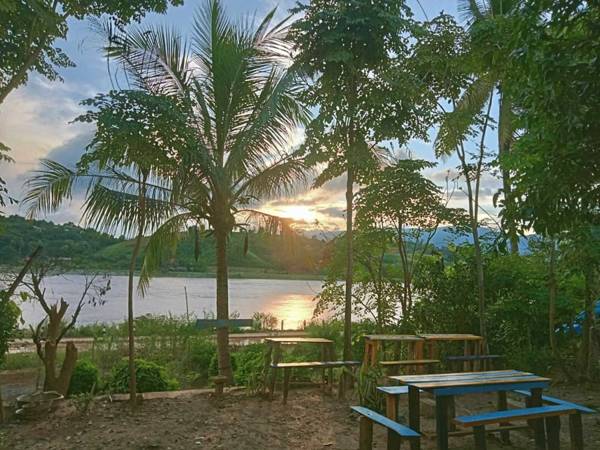
Our verdict: one night if you are passing through, three if you are heading into the jungle
2. The slow boat to Luang Prabang (2 days)
This is the stretch you come in through Huay Xai for. Two days down the Mekong, with a night halfway at Pakbeng, past mountains and villages where the river is the only road. There is also a speedboat that does it in one day, but it does sixty kilometres an hour down a river full of rocks, and the slow boat is the one we would get on.
The benches are hard, so bring a cushion or a jacket to sit on, and stock up on food and water before you leave: what they sell on board is expensive and runs out. In Pakbeng you find a simple bed for the night and get back on board the next morning.
Our verdict: the best way to arrive in Laos, and one of the better travel days of your whole trip
3. Luang Prabang (3 days)
For a lot of backpackers this is the most beautiful stop in Laos: temples in the morning light, mist over the river and a pace where nobody is in a hurry. Sleep in or right next to the old town. Day one is the temples, Mount Phousi and the night market, day two the Kuang Si falls, and day three a cooking class, the Pak Ou caves by boat or simply a morning of nothing.
Do not come for nightlife or big headline sights: the town itself is the point. In March and April the smoke from the crop fires sits in the valley. The neighbourhoods and hostels are on our Luang Prabang page, and the best days out are in things to do in Luang Prabang.
Getting to the next stop: the minibus to Nong Khiaw takes about three hours. The road twists but it is paved, and the view on the way is worth the ride on its own.

Our verdict: three days minimum, and keep a spare one, because this is where everybody decides at the end of day two that the next stop can wait
4. Nong Khiaw (2 to 3 days)
One street, one bridge and a row of steep limestone peaks shooting straight up out of the Nam Ou. For us, the most beautiful place in northern Laos. Sleep on the river, because the view is the whole reason you came. Day one is the climb to Pha Daeng Peak, day two the boat up to Muang Ngoi and back, and day three the 100 Waterfalls trek or a kayak trip.
No nightlife, no supermarket, and the lights go out early. Bring enough cash from Luang Prabang, because the ATM in the village is unreliable, and stay on marked paths: the back country of northern Laos still has unexploded ordnance in the ground. Everything else is on our Nong Khiaw page.
Getting to the next stop: the same three hours back to Luang Prabang, then the fast train to Vang Vieng in about an hour.
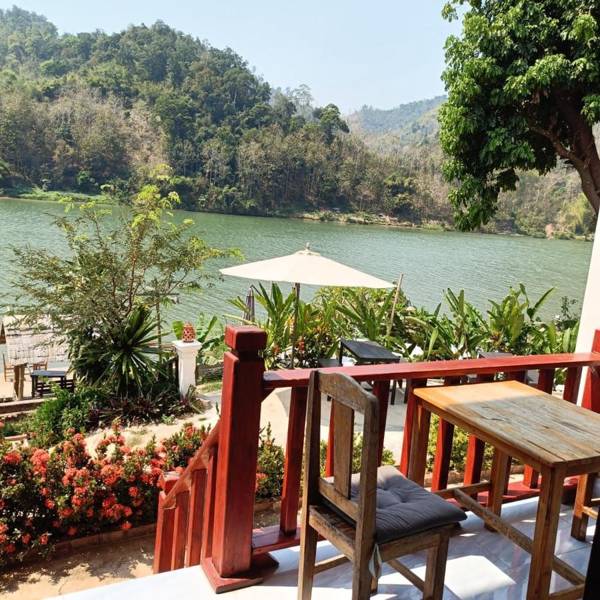
Our verdict: two days minimum, and after two days you will probably decide to stay
The middle: limestone peaks and the calmest capital in Asia
5. Vang Vieng (2 to 3 days)
The most active stop of your trip through Laos, in a valley of limestone peaks along the Nam Song. Sleep in the centre. Day one is tubing and a lagoon, day two a balloon at sunrise or a cave, day three kayaking, ziplining or the scooter loop through the rice fields. Set off early and you have the lagoons and the viewpoints mostly to yourself.
Two things to know. Keep your life jacket on in the river and do not mix tubing with serious drinking. And only drink from bottles you watched being opened: in 2024 several travellers died here after drinking alcohol contaminated with methanol, so say no to free shots. The hostels and the tubing are on our Vang Vieng page, and the best days out are in things to do in Vang Vieng.
Getting to the next stop: the fast train to Vientiane takes an hour. The station is six kilometres outside the village, so count on a shared minibus to get there.
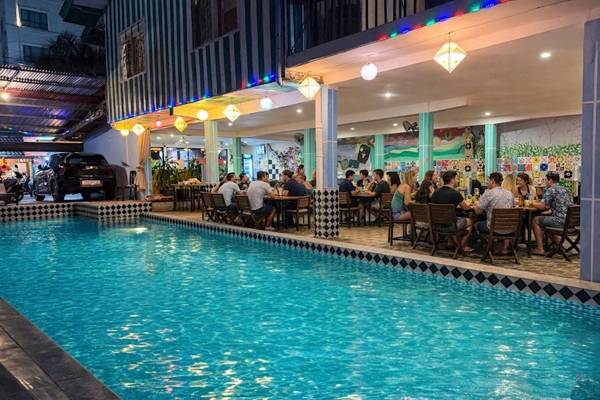
Our verdict: two to three days, rent a scooter and set off early
6. Vientiane (1 to 2 days)
The calmest capital in Southeast Asia, and you notice within ten minutes. Sleep within walking distance of the Mekong. Day one is Pha That Luang, Wat Si Saket, the Patuxai and the night market along the river in the evening, day two the COPE centre and Buddha Park. By ten at night the city has simply gone quiet, and what you get in return is the best bakeries in Laos and a riverfront where the whole city comes out to watch the sun go down behind Thailand.
Plan Vientiane as a breather between two busy stops. What to see and where to sleep is on our Vientiane page, and the best days out are in things to do in Vientiane.
Getting to the next stop: the night bus to Thakhek takes about six hours.
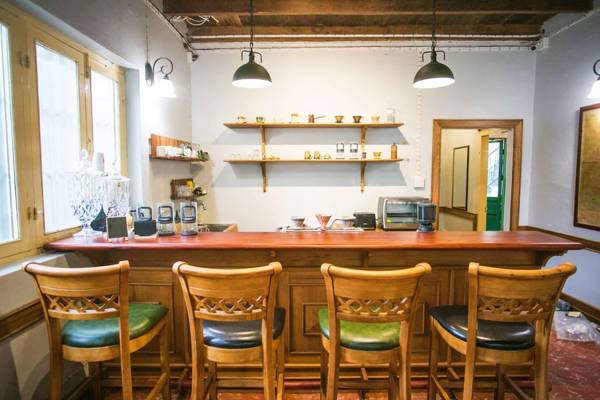
Our verdict: one day if you are passing through, two if you want a proper rest
The south: two motorbike loops and 4000 islands
7. Thakhek (1 day, plus 3 or 4 days for the loop)
Almost nobody comes here for the town. You come for the Thakhek Loop: three or four days on a scooter past the reservoir, through the Kong Lor cave and back along the east side. Give the town one day to sort your bike, do the Buddha Cave and the lagoons, and find other travellers in the evening who are riding the same route. The rental shops store your big bag for free while you are out on the loop.
That is three or four days through remote country, on roads with potholes and no lighting, mostly without phone signal and with almost no ATMs. Take a semi-automatic, check the tyres, brakes and oil every morning, download offline maps, never ride after dark and carry enough cash. And stay on the road, because this province still has unexploded ordnance in the ground. How to ride it is on our Thakhek page, and the best days out are in things to do in Thakhek.
Getting to the next stop: the bus to Pakse takes about six hours.
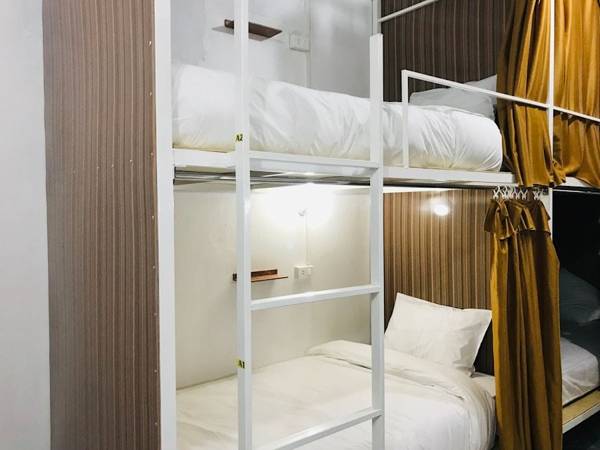
Our verdict: give the loop four days rather than three, and set off early every morning
8. Pakse (1 day, plus 3 days for the Bolaven Loop)
The hub of southern Laos and the start of the Bolaven Loop: the big loop is about 350 kilometres, the small one about 200, both past waterfalls and coffee farms on the plateau. Give the town a day for Wat Phou and the night market, and sleep at least one night of the loop on a coffee farm. Bring a warm layer, because the plateau gets cold in the evening.
Not a scooter rider? Pakse works just as well as a base for day trips to Wat Phou and the nearest waterfalls. Have your bike checked before you leave, carry cash and do not ride on the plateau after dark. The loop and the hostels are on our Pakse page, and the best days out are in things to do in Pakse.
Getting to the next stop: the minibus to Nakasang takes about three hours, and from there a longtail gets you to Don Det in ten minutes.
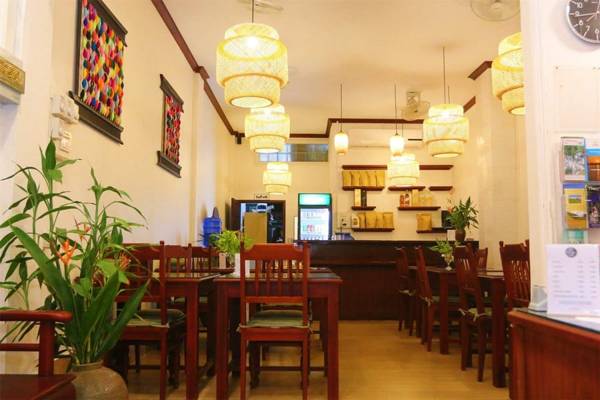
Our verdict: three days for the loop, and the night on the coffee farm is the best part of southern Laos
9. Don Det (2 to 3 days)
The 4000 Islands, where the Mekong spreads out kilometres wide just before the Cambodian border, and for a lot of backpackers the perfect way to finish Laos. Sleep on the sunset side and watch the sun go down from your own hammock. Day one is cycling across Don Det and Don Khon to the Li Phi falls, day two looking for the dolphins and seeing Khone Phapheng, day three kayaking between the islands or doing nothing at all.
No ATM, patchy signal and regular power cuts, so bring cash from Pakse and a power bank. Do not swim in the Mekong near the waterfalls: the current looks calm, but it is deadly. On our destination page we suggest Don Det Backpackers Hostel for the social vibe and Mama Leurth Sunset Guesthouse for the quiet and the view. Everything else is on our Don Det page, and the best days out are in things to do on Don Det.
On to Cambodia: you buy a combined ticket for the boat, the minibus and the border crossing at Nong Nok Khiene. You get your visa on arrival for $30, in US dollars cash. Expect a full day to Kratie and longer to Siem Reap, and plan that day one day later than you think you need to.
Our verdict: three days, and the third one is for the hammock
Practical: transport, timing, visa and budget
Getting around Laos between the stops
The pace is slower than in the neighbouring countries, and that is part of Laos. The fast train between Luang Prabang, Vang Vieng and Vientiane has changed travel in the north completely: an hour per leg, and around €13 for the whole line from Vientiane to Luang Prabang. Beyond that you ride minibuses and night buses, drift down the Mekong on the slow boat and do the loops in the south on a rented scooter for about €8 a day. Domestic flights exist, but you do not need them on this route.
Build delays into the plan. Buses leave when they are full, the slow boat goes when it goes, and on the loops the road sets your pace.
The best time to visit Laos for this route
November to February is the best time for the whole of Laos: dry, clear and with cool mornings, the Mekong at a good level for the slow boat and the roads on the loops easy to ride. In March and April the smoke from the crop fires hangs in the valleys, and that takes away exactly the views you come to Nong Khiaw and Vang Vieng for. From June to October it rains, but the waterfalls are at their most powerful and everywhere is noticeably quiet.
Want one window for the whole route? Pick November to February and start at the top. Arrive at the end of the rainy season and the waterfalls on the Bolaven Loop and around Don Det are overwhelming.
Visa and arrival
Nearly every passport needs a visa for Laos: either an e-visa you apply for online beforehand, or a visa on arrival at the airports and the main border crossings, paid in cash and ideally in US dollars. Both are valid for thirty days. On top of that you fill in the Lao Digital Immigration Form three days before you arrive, and once more when you leave. Nobody asks for an onward ticket. Staying four weeks or longer? Then you can be asked for proof of polio vaccination when you leave, on an international certificate, given between four weeks and twelve months before you go. It is all on our vaccinations page. What applies to your passport is on our visa page. How to behave in Laos, from temples to the police, is in our guide to Laos etiquette.
What to pack
Laos is the country on these routes where you most often have to do without for a while. On Don Det the power goes out and there is no ATM, so a power bank, a torch and cash you took out earlier make a real difference there. The bus rides are long and winding, the evenings in the north are cool, and the temples in Luang Prabang expect covered shoulders and knees.
The full list is in our Southeast Asia packing list.
What this route costs
Count on about €25 a day if you backpack normally: a bed around €6, a meal for €2 and a beer for €1. The loops cost a bit more with a scooter at €8 a day plus petrol, and the Gibbon Experience and the slow boat are the big extras. That puts two weeks at around €350, plus your visa and not counting your flights. Carry more cash than you think you need everywhere, because on the loops, in Nong Khiaw and on Don Det you cannot count on an ATM. What you will be eating with that money is in our guide to food in Laos.
Got time to spare?
If you have days left over, these are the side trips that pay off. From Nong Khiaw, spend a night in Muang Ngoi, an hour upstream by longtail, a village that only recently got a road and still mostly ignores it. From Luang Prabang, take the boat to the Pak Ou caves. From Vang Vieng, ride the loop through the rice fields. And on the Bolaven Loop, ride the big 350-kilometre version instead of the small one, with an extra night on the plateau. Tying Laos to Thailand, Vietnam or Cambodia? The order and the four border crossings are in our route through four countries.
Short on time instead? Pick the north and do it properly. Huay Xai, the slow boat, Luang Prabang and Vang Vieng is a whole trip in ten days, and from Vientiane you are over the Friendship Bridge and on the night train into Thailand in no time.
Thakhek Loop or Bolaven Loop: which one do you ride if you can only do one?
For a lot of backpackers both are the best days of their whole trip through Laos, and the choice comes down to what you are after. The Thakhek Loop is the more adventurous one: three or four days past the reservoir and through the Kong Lor cave, on potholed roads, without signal and with almost no ATMs. The Bolaven Loop is shorter and gentler: three days across a cool plateau past waterfalls and coffee farms, with a night on a coffee farm as the highlight.
Riding a multi-day route on a scooter for the first time? Pick Bolaven: better tarmac, shorter days and a bed on a coffee farm at night. Already have mountain roads behind you and want the feeling of being properly remote? Then Thakhek is your loop. And if you do not ride at all, do day trips from Pakse to Wat Phou and the nearest waterfalls.
Our advice: with two weeks, ride Thakhek, because you will not find the Kong Lor cave anywhere else. With three, ride both, with Pakse second, because you pass through it on the way to Don Det anyway.


