
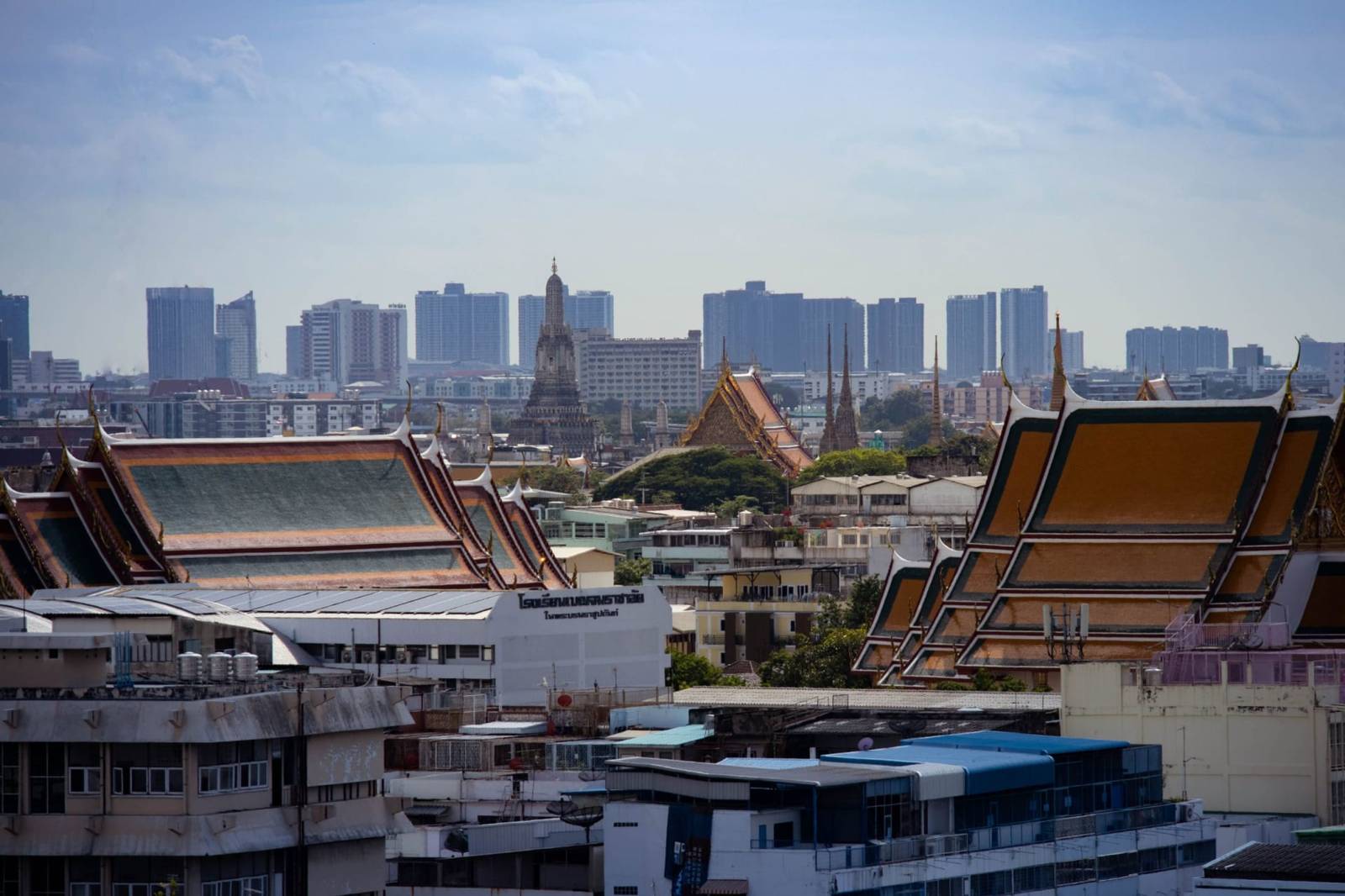
Siam is Thailand. The same country, the same place on the map, the same capital: only the name changed, in June 1939. Book a ticket to Siam today and you land in Bangkok, and if you have ever wondered what Thailand used to be called, that is your answer.
Still, the question keeps coming up, and that is no surprise. Siam disappeared from the map but not from the country itself. Get off at the busiest interchange in Bangkok and you are standing at Siam. The shopping centre next door is called Siam, the bank on the corner is called Siam, and one of the best known cat breeds in the world is named after it.
Here is the whole story: when the name changed, why it came back four years later, what “Thai” actually means and where you will still run into Siam as a traveller.
The short answer
Siam is now called Thailand, and this is how it went:
- Until June 1939 the country was called Siam.
- June 1939: the government changes the name to Thailand.
- September 1945: after the war it becomes Siam again.
- 11 May 1949: Thailand for good, and it has stayed that way ever since.
So if someone asks what Siam is called now: Thailand. And if someone asks what Thailand used to be called: Siam. It is the same question from two sides, and the answer has not changed in more than seventy-five years.
Why Siam became Thailand in 1939
The name change came from Prime Minister Plaek Phibunsongkhram, usually just called Phibun. He deliberately chose the anniversary of the 1932 coup for it, the revolution that ended the absolute monarchy. Seven years on, that was still the reference point of the new Siam.
The thinking behind it belonged to its time: the country should carry the name of the people who make up most of its population, the Thai. “Siam” was mostly the name foreigners used, while “Thailand” tied the country to its own people. That this was the 1930s, with nationalism on the rise all over the world, is an inseparable part of that decision.
Changing a name is not the same as changing a country, by the way. The borders stayed, the king stayed, Bangkok stayed Bangkok. What changed was how the country presented itself to the rest of the world.
The four years it was Siam again
What hardly anyone knows: the name went back once more. In September 1945, just after the Second World War, the post-war government under Pridi Banomyong made it Siam again.
There was a practical reason for that. During the war Thailand had sided with Japan, and so the British initially regarded the country as an enemy. Going back to the old name was a way of distancing the country from the government that had made that choice, and it helped in the negotiations that followed.
It did not last long. A coup brought Phibun back to power in 1947, and on 11 May 1949 the country was called Thailand once again. Nothing has changed since.
What “Thai” actually means
The translation you will see everywhere is “land of the free”, and Thailand carries that meaning with pride. It is the only country in Southeast Asia that was never officially colonised by a European power, while all of its neighbours were: Burma and Malaysia by the British, Vietnam, Laos and Cambodia by the French, Indonesia by the Dutch and the Philippines by Spain and later the United States.
There is a nuance to add, though. “Thai” is also simply the name of the people themselves, the Tai-speaking peoples who settled here centuries ago. Whether the name means “land of the free” or “land of the Thai” depends on who you ask. Both are true, and both say something about why that name was chosen.
You can still see that the country was never colonised. There are no colonial quarters like the ones in Hanoi, Phnom Penh or Yangon, and the streets look less European than those of its neighbours as a result. If it is those old facades you are after, Vietnam and Cambodia are the places to go.
Where you still come across Siam today
The name has vanished from the atlas but not from daily life, and as a backpacker you will bump into it for sure:
- Siam, the station. On the BTS Skytrain in Bangkok, Siam is where the two lines cross, so sooner or later you will change trains there. A ride costs from about €0.40.
- Siam Square and the malls. Around that station are Siam Paragon, Siam Center and Siam Discovery. Air conditioning, food courts and a great place to recover from the heat for an hour.
- Siam Commercial Bank. The oldest bank in the country still carries the old name, as do plenty of other companies.
- The Gulf of Thailand used to appear on maps as the Gulf of Siam. That is the water Koh Tao, Koh Phangan and Koh Samui sit in.
- The Siamese cat, named after the country the breed comes from.
In Bangkok and want to know what there is to do in that part of the city? That is in the things to do in Bangkok and on our Bangkok page.
So do you say Siam or Thailand?
Thailand. On your ticket, in your passport, at immigration and in every conversation you have along the way, the country is called Thailand, and nobody calls it anything else any more.
Siam is only used as the name of a place or a company (that station, those malls, that bank) or when you are talking about history. A Thai person telling you about the days of Siam means exactly that: the period before 1939. So it is not an old-fashioned word for the country as it is now, but a word for an era.
If you are going yourself, the rest of your preparation is a lot more practical than this question. What to know before you go is in our Thailand travel guide, and how to cross the country in three weeks is in our Thailand itinerary.
Is Siam really the same country as Thailand?
Yes, and there is no catch. Siam is the old name of exactly the same country: broadly the same borders, the same royal family, the same capital. In June 1939 it became Thailand, between 1945 and 1949 it was briefly Siam again, and never since.
So there is no separate country called Siam that you can still visit, and there is no city by that name either. Come across the name in a travel story from a hundred years ago and it is about the same Thailand you are now backpacking through on a shoestring.
The only Siam you will see on a sign today is that interchange station in the middle of Bangkok. And when you step off there, you are standing in the part of the city where old and new Thailand meet most clearly: malls made of glass, and ten minutes’ walk away a temple where nothing has changed.


