
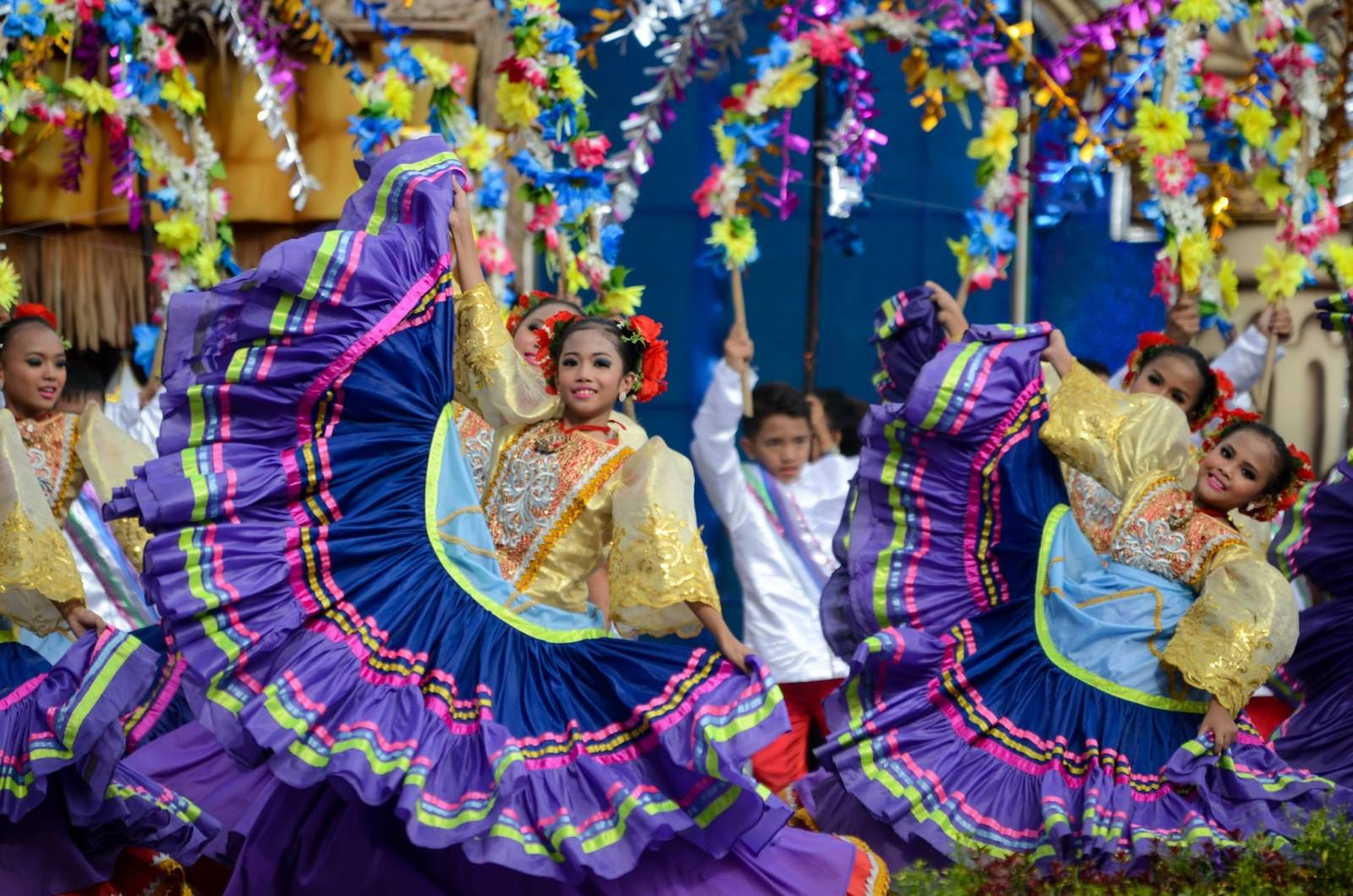
The Philippines feels different from the rest of Southeast Asia, and you notice it at the airport. People speak English, they smile at you, and within a day you have chatted with a tricycle driver, a woman at the market and the owner of your hostel. Filipinos are known as some of the friendliest people in the world, and that is not an advertising slogan.
That openness does run on its own logic, though. The culture was shaped by Asian, Spanish and American influences, and underneath sits a set of rules nobody explains to you: about politeness towards older people, about time, about face, and about how to say no without saying no. Work those out and you get the hospitality the country is famous for. Ignore them and you stay a tourist.
Below are the unwritten rules that make your trip easier, and the handful of written ones you really need to know, from the beach on Boracay to the water at Moalboal. What to eat while you are here is in our guide to food in the Philippines.
Hello, a smile and a chat
Filipinos love a chat, and it starts with you. Say hello, smile, ask how someone is doing. On the smaller islands a few words of Tagalog help, because you will not find English everywhere: in Manila and on the touristy islands yes, in the villages on Siquijor or in Port Barton a lot less.
The most important word you will learn is “po”. You tag it onto the end of a sentence, and say “opo” instead of yes, when you are talking to someone older than you. It is the polite form for older people and it is hugely appreciated, even if you do not speak another word of Tagalog.
Filipino time
Filipino time is very much a thing. The van leaves when it is full, the boat sails when the coastguard says so, and the ten o’clock meeting starts at half past ten. That is not rudeness but a different pace, and the only thing you can do about it is plan for it. Do not book tight connections, keep a spare day for every crossing, and do not be the person sighing and staring at their watch.
Patience is a social skill here. Show some, and you usually get a conversation in return.
Face: no anger, no criticism, no blunt no
Just like in the rest of Southeast Asia, losing face is a big deal. Do not get angry or impatient in public, and never criticise anyone in front of other people. A complaint about your room or your boat trip gets raised calmly and one to one, and then it usually gets sorted. The same complaint with a raised voice at the front desk gets you nowhere.
Saying no is done softly too. A blunt refusal is awkward for both of you, and a friendly “maybe later” works better than a hard no. That goes for the vendor on the beach, the tricycle driver offering you a ride and the offer of a third plate of rice.
When someone invites you to eat
Accept an invitation to eat. Sharing food runs deep in the culture and an invitation is meant sincerely, whether it comes from your homestay family or from the crew of your bangka laying out lunch. You do not have to eat much, but you do sit down.
Faith, churches and Siquijor
The Philippines is a religious country, and you see it everywhere, from the churches in the villages to the little statues of saints in the tricycles. You do not have to do anything, except take it seriously. On Siquijor it goes a step further: across the Philippines the island is known as the island of healers and black magic, and plenty of Filipinos would rather not go there because of it. Do not laugh about it, because it is taken seriously here. And meanwhile enjoy the fact that this is exactly why it is so wonderfully quiet. See our Siquijor page.
Boracay: the strictest rules in the country
Boracay closed for six months in 2018 for a major clean up, and since then it has rules that are stricter than anywhere else. No smoking, drinking or eating on the sand itself, no fires, no sandcastles on White Beach, and you take your rubbish with you. The rules are enforced and there are fines. On arrival you also have to be able to show your accommodation or your return flight, so book that in advance. See our Boracay page.
Underwater: coral, turtles and whale sharks
The most important rules in the Philippines are not on a sign but in the water, and they are the ones broken most often. Never stand on coral, not even for a moment to catch your breath. Keep at least three metres from sea turtles, never touch them and never sit on one for a photo. Never take starfish out of the water. And use sunscreen without oxybenzone, or simply wear a shirt in the water, because you are snorkelling over living coral here.
With whale sharks you keep four metres back, never touch them and never swim in front of them. Also know where you are going: at Oslob on Cebu the animals are fed to keep them in one place, while off the coast of Puerto Princesa they are wild animals you meet with a bit of luck. Ask an operator whether they work with wild animals rather than feeding them. With the thresher sharks at Malapascua you stay behind the line and keep your flash off. More about diving and snorkelling is on our Philippines page.
Tarsiers: one choice that really matters
On Bohol you make one choice that counts: where you go to see the tarsiers. These tiny animals are so sensitive to stress that they can die from it in captivity. Go to a sanctuary where they sit free in the forest and guides point them out from a distance, not to a place where they are tied to a branch. Never touch one, however often it is offered, turn your flash off and keep your voice down. See our Bohol page.
On the street: Manila and the rest
Manila has a tough reputation and part of it is deserved, but in the districts where backpackers go it is perfectly safe if you pay attention. Take a Grab rather than flagging a taxi on the street, stay in Makati, BGC or Poblacion at night, keep your phone in your pocket on the jeepney and the train, and only use cash machines inside a mall or a bank branch. Do not go along with anyone who approaches you on the street about a card game or a family party, and do not accept anything from a stranger, not even a sweet or a drink. See our Manila page.
Outside Manila the country is relaxed and safe. What goes wrong goes wrong on the scooter or in the water: photograph your scooter before you ride off, do not ride after dark on the islands, and check the depth of the water yourself before you jump from a rope swing or a platform at Cambugahay or Salagdoong.
Arrival and paperwork
Every passport on our visa page gets thirty days in the country without a visa. You register through eTravel within 72 hours before you fly, and you have to be able to show an onward ticket. That gets checked more strictly here than elsewhere in the region, often already at check-in before you fly. What applies to your passport is in our visa overview, and how to get an onward ticket without locking in your route is explained separately.
The basic attitude that gets you far everywhere
A smile, “po” to anyone older, patience with the clock, and never getting angry out loud. Remember those four and you do not need to learn the rest by heart. And do not go for as many islands as possible, but for a few places where you really take your time. The Philippines is not a country to tick off but one to experience, and the people are the best part of it.
How do you know what is and is not OK in the Philippines?
Watch the people around you and do what they do, and above all listen to how they say it. A Filipino rarely says a hard no, so if the answer is “maybe later” or “we will see”, that is a no. Pick up the habit yourself: refuse softly, wait calmly, and smile when something does not work out.
The hard lines do exist, and they are above: the beach rules on Boracay, the coral and the turtles underwater, the tarsiers on Bohol, and your onward ticket on arrival. Those four you remember. The rest you get a feel for the first time someone hears you say “po”.


