
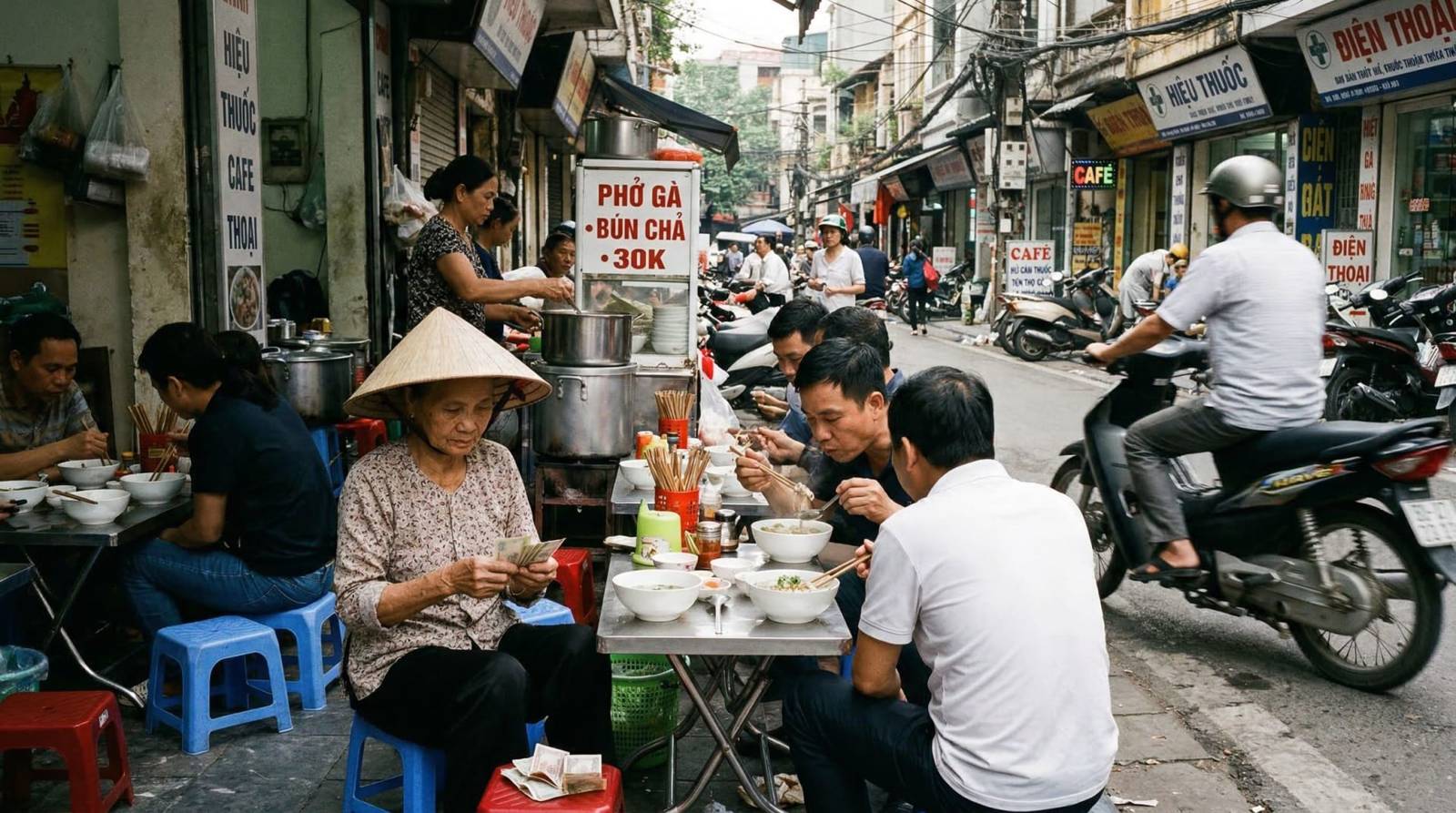
For a lot of backpackers, food is the reason they stay in Vietnam longer than planned. Not because of the restaurants, but because of a stall on the pavement that has made exactly one dish for thirty years, and makes that dish better for €1.50 than any restaurant ever will.
The country is 1,650 kilometres long and you can taste it. The north eats simply and salty, with lots of broth and very little sugar. The centre, around Hue and Hoi An, has the most refined cooking in the country, with small portions, lots of courses and more chilli. And the south is sweeter and milder, with fresh herbs, lime and spicy sauces on the side. Travel from north to south and you are really eating your way through three different cuisines.
Below are the dishes you have to try, how to eat in Vietnam without paying too much, and what to drink with it.
Three cuisines in one country
In Hanoi almost everything is eaten on the street, on a plastic stool thirty centimetres high. One dish per stall is the rule here: if a place sells pho, it only sells pho. The food is simpler and saltier than in the south, and for a lot of travellers this is the food highlight of their whole trip. Also read our things to do in Hanoi.
In the centre people cooked for the emperor for centuries, and you notice that in Hue: small portions, lots of courses, plenty of chilli and banh everywhere, little rice cakes in all kinds of shapes. Hoi An, a few hours down the road, has dishes you will not find anywhere else in Vietnam. And the port cities of Da Nang and Nha Trang eat whatever came in that morning.
The south is Saigon, and there the best food comes off a cart, out of a stall or from a two-square-metre kitchen. Sweeter, milder, with a pile of fresh herbs on the side, and a euro or two fills you up. Is there a queue of locals? Join the back of it. That is the most reliable review you will get in Saigon.
The dishes you have to try
Pho
The noodle soup Vietnam is famous for, and a breakfast dish in the north. A clear broth, rice noodles, thinly sliced meat and a plate of herbs on the side. In Hanoi you eat it in the morning on a stool, in Sapa steaming in the cold, and on the Ha Giang Loop before you get on the bike.
Banh mi
The filled baguette, the French legacy that Vietnam has made completely its own. It is the most practical food in the country: you grab one from a cart on the way to the caves, the trek or the dunes, and you are sorted for a euro. In Hoi An it is at its most famous. The queue at Banh Mi Phuong is long but it moves, and two streets away there is a cart doing almost the same sandwich with no queue at all. In Da Lat you get it as banh mi xiu mai, with meatballs.
Bun cha
Grilled pork with noodles, herbs and a bowl of dipping sauce, and the dish of Hanoi. Watch the clock: bun cha is eaten between twelve and two, and after that the good places are closed. Turn up at four and you have missed it.
Goi cuon and nem ran
Fresh spring rolls, goi cuon, are rice paper with prawns, herbs and noodles, and the south does them well. Nem ran are the fried version and you find them all over the north, from Hanoi to Cat Ba. In Nha Trang and Da Lat you roll them yourself at the table, as nem nuong: grilled pork, herbs, rice paper, and you do the rest.
Cao lau and white rose
Hoi An has dishes the rest of Vietnam does not. Cao lau, thick noodles with pork and herbs, is officially only allowed to carry that name if the water comes from one specific well in town. And white rose, also called banh vac, are translucent dumplings made by just a handful of families. Ask for them if you do not see them on the menu, because they are far from always on it. See our things to do in Hoi An.
Bun bo Hue
The spicy noodle soup of Hue, with lemongrass and beef, and something completely different from pho. Ask for it at a place that is already open at six in the morning: here it is a breakfast dish, not dinner. You can get it in Saigon too, at a stall in District 4.
Mi quang and bun ca
The port cities have their own noodle soups. In Da Nang it is mi quang: yellow noodles with little broth and lots of herbs. In Nha Trang you eat bun ca, with fish cakes from that morning’s catch. For the best food in both cities, head away from the beach and the promenade and into the neighbourhoods, where you pay half.
Com tam
Broken rice with grilled meat, the dish of Saigon and of Mui Ne. Simple, big and cheap, and exactly what you want after a day in the sun.
Banh trang nuong
Rice paper on the grill with egg, spring onion and paste on top, which tourists call Vietnamese pizza. You eat it standing up at the Da Lat night market, in the cold, with a cup of hot soy milk in your other hand. Da Lat is the market garden of Vietnam, so take some fresh strawberries and avocados from the fields back to your hostel while you are at it. See our things to do in Da Lat.
Our verdict: start in Hanoi with pho and bun cha, save cao lau for Hoi An and finish in Saigon with com tam and a goi cuon from a cart
Seafood on the coast
On the islands and in the port cities you eat what came in that morning. On Cat Ba the catch is on the grill by the harbour in the evening and you point at what you want. At the Duong Dong night market on Phu Quoc you pick your fish, squid or lobster out of the tub and say how you want it grilled. In Nha Trang the shellfish is sold by the kilo, and in Mui Ne the fishing village’s catch is cheap as soon as you turn one street off the beach road.
Phu Quoc is also the source of two things you taste all over Vietnam: the fish sauce and the black pepper. Both come from the island, and both go into almost every dish. See our things to do on Phu Quoc.
One rule with seafood, and it matters: always ask the price per kilo and have them show you the weight on the scales before you say yes. If they will only charge per piece, you are almost certainly paying too much. This is exactly where backpackers lose money on the coast.
Our verdict: every evening you are by the sea, but never without seeing the weight first
How to eat in Vietnam
Sit down on the stool. The best food in the country is eaten on the pavement, and a stall that makes only one thing usually makes that one thing perfectly. A dish costs about €1.50 in Hanoi, about €1.80 in the neighbourhoods across the river in Da Nang with a 60 cent beer on the side, and €1.50 in Hoi An with a beer for half a euro. So three stalls in one evening is easy.
Get away from the beach and the promenade. In Da Nang, Nha Trang, Cat Ba and Mui Ne you pay tourist prices by the water, and one street inland you eat the same thing for half. In Saigon and Hanoi the same goes for anything on an English menu.
Agree the price up front at a stall without a price board. What costs backpackers money in Hanoi is almost never theft, it is prices that were never agreed. And on the Ha Giang Loop you eat whatever the homestay cooks that evening: a table full of little dishes that everyone shares. During the day, take water and something to eat with you there, because sometimes there is an hour of riding between two villages.
Coffee, bia hoi and rice wine
Ca phe sua da
Vietnamese iced coffee with condensed milk, and the drink you will find everywhere, from a cart in Saigon to a terrace in Hoi An. In the mountains of Sapa and on the Ha Giang Loop you drink it hot, as ca phe sua nong. Order it in the morning before you get on the scooter, not in the evening, or you will not sleep.
Ca phe trung
Egg coffee, the Hanoi coffee with whipped egg on top. You try it on a food tour through the Old Quarter, and in Hoi An you can do a workshop where you learn to make Vietnamese coffee, this one included. Want to know where the beans come from? In Da Lat, ride out to the coffee farms towards Cau Dat at sunrise. Walking around is usually free and a tasting starts at about two euros.
Bia hoi
Fresh draught beer, on the corner of Ta Hien in Hanoi’s Old Quarter. A glass costs about thirty cents, you sit on a stool by the road among backpackers from all over the world, and there is nothing to book. Keep your bag on your lap when you sit by the road.
Rice wine
At every homestay on the Ha Giang Loop the rice wine comes out in the evening. It is stronger than it tastes, and you are back on a scooter the next morning. One is a good time, three is a problem.
Our verdict: ca phe sua da with breakfast, bia hoi with dinner, and the rice wine only when your Easy Rider pours you one
Food tours and cooking classes
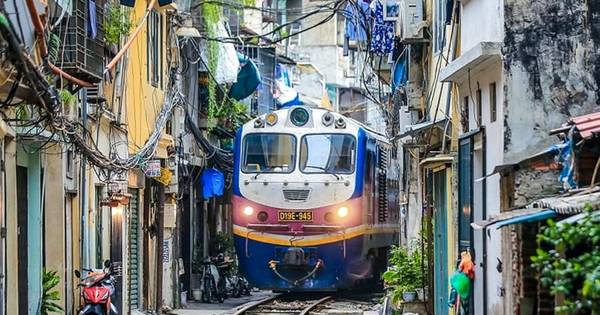
If you want the places you would walk straight past on your own, a guided food tour is money well spent. In Hanoi you try pho, bun cha, nem ran and ca phe trung along the way, and most tours take you past Train Street as well. In Saigon you sit on the back of a local guide’s scooter and end up in alleys and food spots you would never find otherwise.
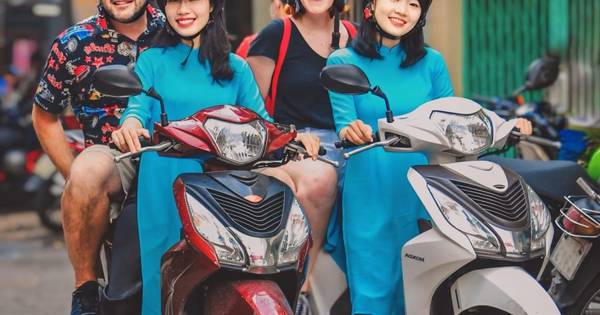
The best cooking classes do not start in a kitchen but at the market. In Hoi An the most popular one combines a market visit, a ride in a round basket boat through the coconut forest of Cam Thanh and then cooking it all yourself. At the end you eat what you made, and only then do you understand why a dish tastes the way it does.
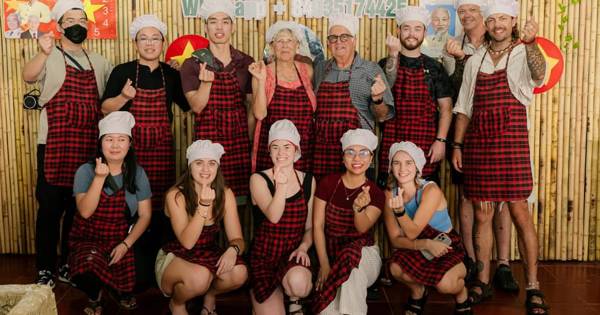
Our verdict: one food tour on your first night in Hanoi, and a cooking class in Hoi An on your third day there
What do you really have to try in Vietnam?
Everything on this list is worth it, but if you only get five: pho on a stool in Hanoi for breakfast, bun cha in the same city between twelve and two, a banh mi from a cart for the road, cao lau in Hoi An because you cannot get it anywhere else, and one evening of fresh fish off the grill on the coast, with the price per kilo agreed first.
And one drink: ca phe sua da, in the morning, before you get on the scooter. That is the taste you will miss most once you are home.


