
Backpacking Port Barton
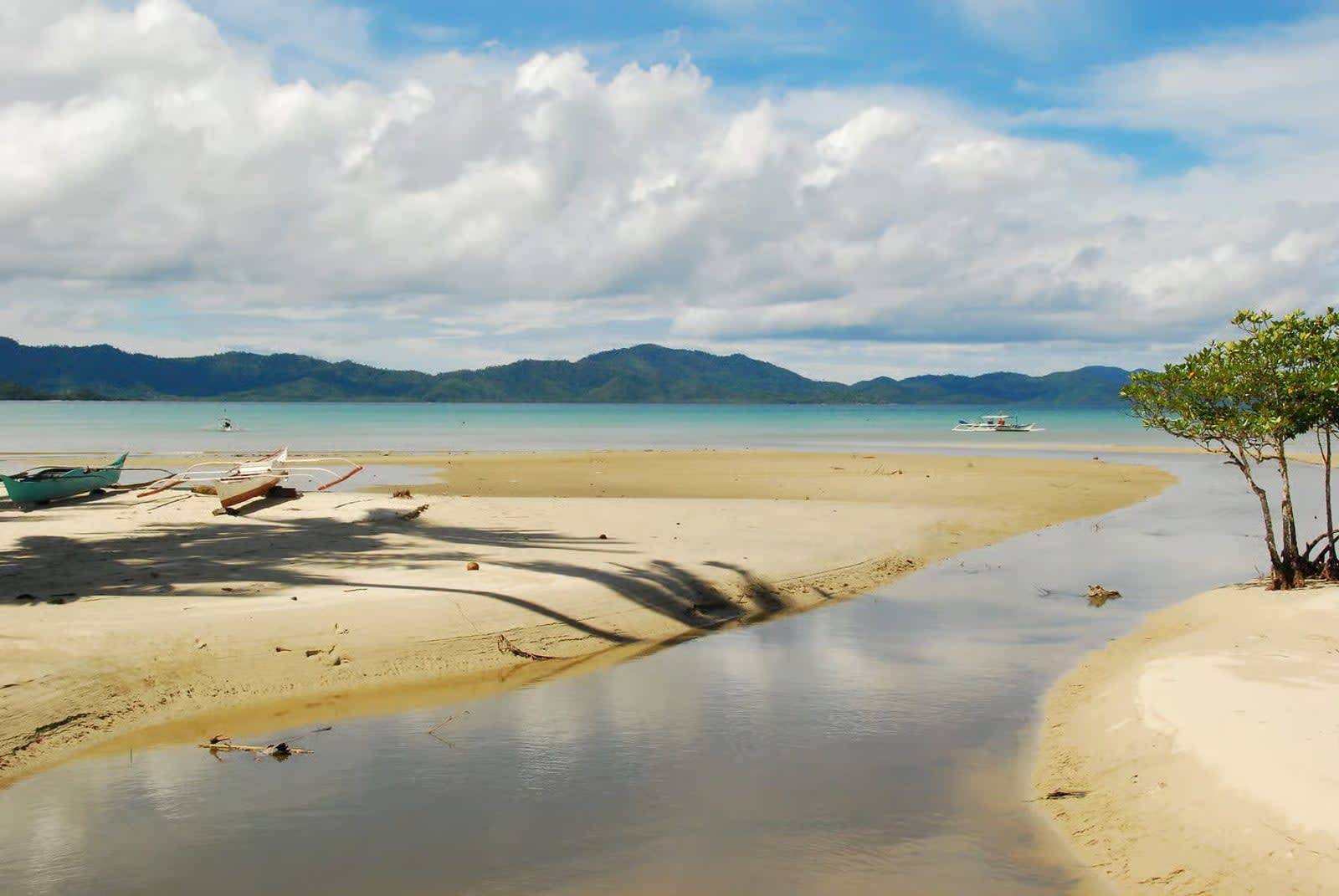
Port Barton is what El Nido was fifteen years ago, and everybody who goes says so. A fishing village halfway up the west coast of Palawan with sand streets, a generator instead of a grid, no cash machine at all, and a bay full of small islands nobody is queueing for.
The island hopping here is the reason to come. Same turquoise water as everywhere else on Palawan, half the price, and a near certainty of swimming with green turtles, which graze on the seagrass right off the beach and pay you no attention whatsoever.
The evening is a campfire on the sand, because there is no night life and nobody wants one. Two to three days is the plan. Bring cash, bring a power bank, and stop checking your phone, because there is nothing on it out here anyway.
Why Port Barton is popular with backpackers
- Turtles on the seagrass, almost every single island trip
- Island hopping at about half what the same day costs in El Nido
- A village of sand streets with no cars and no resorts
- Beaches twenty minutes away that you will frequently have to yourself
- A campfire on the beach most evenings, which is the entire nightlife
- The Philippines the way people describe it from twenty years ago
- €20 a day, and very little to spend it on
Best time to visit Port Barton
Halfway up the west coast, so the same season as El Nido: dry from December to May and wetter after that, with the road in being the part that notices.
Port Barton runs on generators, and in some places that means power for a few hours a day. Bring a power bank, expect the wifi to be slow or absent, and take that as the point rather than the problem.
Backpacker budget: around €20 a day
- €7hostel bed
- €2.50local meal
- €1.20beer
- €7scooter for the day
Guide prices from our own days in Port Barton. Add a tour or a night out and it climbs fast.
Best area for backpackers
Port Barton village
There is one place to stay and it is the village itself, along the beach. Hostels, restaurants, a few beach bars and every boat operator are on those few sand streets, and the whole thing takes ten minutes to walk end to end.
Boats leave from the beach directly in front of it, which means the walk to your island trip is about ninety seconds.
Good to know about this area
- Everything on foot, and the village crosses in ten minutes
- Island trips leave from the beach in front of the village
- No cash machine anywhere: bring what you need from Puerto Princesa or El Nido
- Power runs on generators, so expect hours rather than all day
- Almost no mobile signal, and that is part of the deal
- No supermarket, and the shops are small
Best hostels in Port Barton
Three of them, all in the village, all a minute from the water.
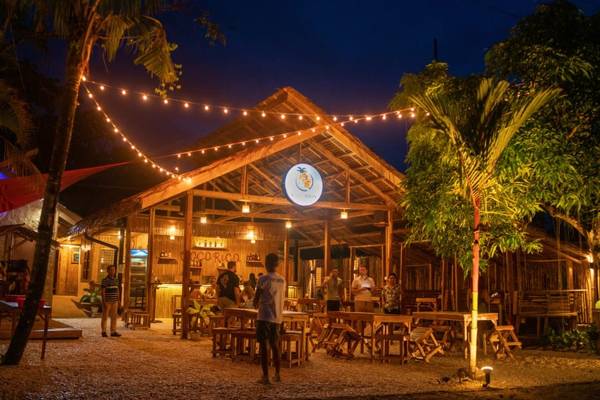
CocoRico Hostel
The most popular hostel in Port Barton and the most social. Central, well run, with something arranged most days and an easy way onto tomorrow’s boat.
If you arrived on your own, start here.
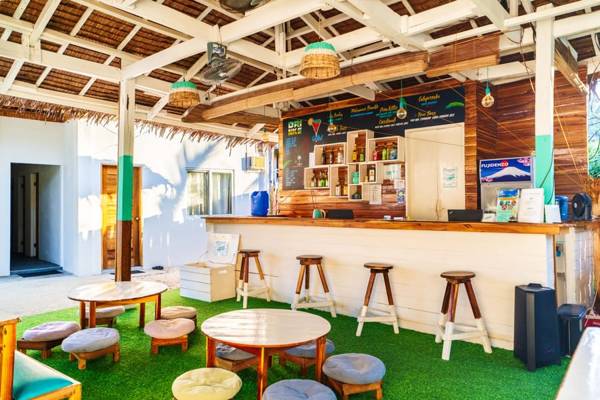
My Green Hostel
Green, calm and set slightly back, and the one people pick when they intend to stay a while. Quieter than CocoRico without being out of the village.
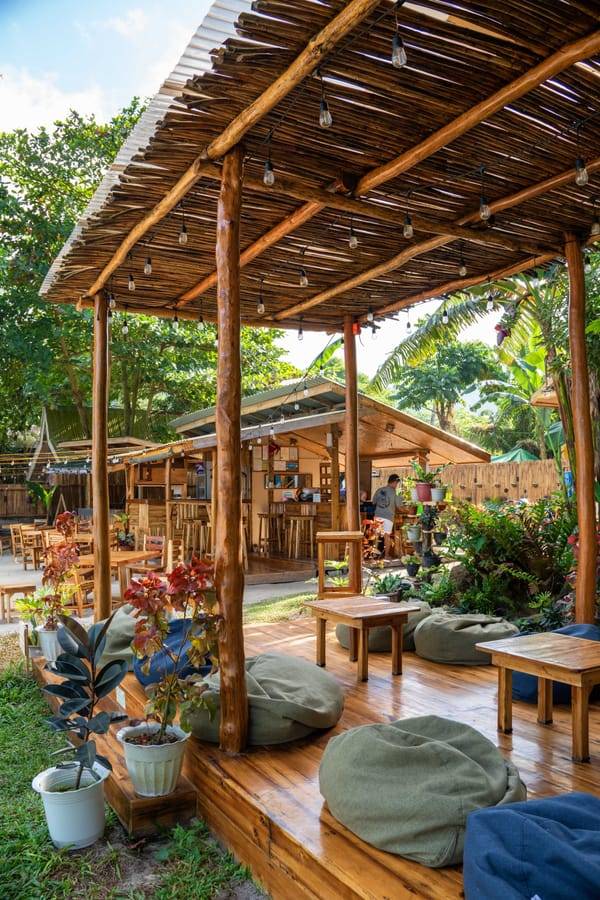
Seaside Beach Hostel
Right by the beach, which in a bay that faces west means the sunset happens in front of you. Small, highly rated at 9.3, and exactly as relaxed as the name suggests.
Best things to do in Port Barton
One boat trip, two beaches and a waterfall, and after that the correct activity is a hammock.
Island hopping to the turtle spot and the reef
The reason people come. A day on a bangka around the bay: snorkelling stops over coral gardens, small islands to land on, lunch grilled on the beach, and the seagrass beds where green turtles feed.
The turtles are the part nobody quite believes until they are in the water. They are wild, they are used to boats, and if you stay back they simply carry on eating.
White Beach
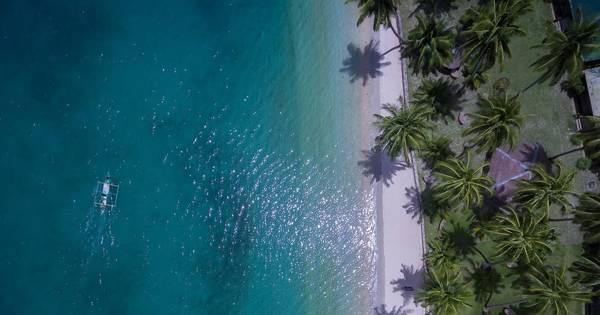
Twenty minutes out of the village, part of it down a sand track, and worth the wobble. A long curve of white sand and clear water with almost nothing built on it.
There is very little there, which is the appeal and also why you take food and water.
Coconut Beach
Half an hour on foot along the coast from the village, over a headland and down. Quieter than White Beach, good swimming, and most days you will share it with nobody.
Swimming with turtles
One of the best places on Palawan to see green turtles in the wild, and it is not a staged encounter: they live on the seagrass beds in the bay and the boats know where those are.
Keep three metres back, never touch, and never swim above one so it cannot surface. They need air, and a person in the way is a genuine problem for them.
A scooter day, and Pamuayan Falls
The tracks out of the village go through jungle to viewpoints, empty coves and Pamuayan Falls, which is an hour on foot from the village and has a pool at the bottom you can swim in.
Ride slowly. A good part of these roads is sand, and sand and scooters are an argument you lose.
Sunset on the beach, and the fire after it
The bay faces west, so the sunset happens directly in front of the village with no effort required from you at all. It is free, it is reliable, and everybody comes out for it.
Afterwards somebody lights a fire on the sand. That is the evening, every evening, and it is the thing people miss afterwards.
Starfish Island
A stop on most island trips: shallow, warm, clear water with sea stars scattered across the sand in it.
Look, do not lift. A sea star taken out of the water for a photograph is being suffocated, which is the sort of thing nobody means to do and everybody should know.
How to plan your days in Port Barton
Two days does it, three if it gets hold of you. Pick how long you have.
Island hopping and turtles. The day trip past Exotic Island, Starfish Island and the coral gardens, with green turtles all but guaranteed on the way. The water here is shallow and clear.
Tonight: a fire on the beach, which is the standard evening here.
Beaches by scooter. White Beach and Coconut Beach are around the corner and feel private. Part of the way is unsurfaced, so take it slowly.
Tonight: sunset on Port Barton beach, with the village behind you.
The waterfall, or nothing. Pamuayan Falls is an hour's walk from the village with a pool you can swim in. Or spend the day in a hammock, which here counts as a full programme.
Tonight: van to El Nido, or back down to Puerto Princesa.
Food and drink in Port Barton
A handful of places to eat and that is it. Simple, fresh and cheap, and plenty of them only serve whatever came in that morning.
There is no supermarket and no cash machine. Work out what you need for your beds, your boat trip and your food, then bring more than that from Puerto Princesa or El Nido.





No cash machine in the village means no cash machine. Work out what you need, and then bring more than that.
Getting there and onward
Port Barton sits exactly between Puerto Princesa and El Nido, which makes it the obvious stop on the drive up Palawan and the one most people skip.
Getting there. About three hours by van from Puerto Princesa and three to four from El Nido. The last twenty kilometres are partly unsurfaced.
Around the village. A few sand streets you can cross in ten minutes. For the beaches outside it you hire a scooter.
Onward. Most people do Puerto Princesa, Port Barton and El Nido in that order. Vans leave in the morning and there are usually only one or two a day, so book the night before.
- VanPuerto Princesa 3 hrs · El Nido 3 to 4 hrs
- Island tripA full day, from about €15
- ScooterFrom about €7 a day, partly on sand
- Boat to San VicenteFor Long Beach, the longest beach on Palawan
- On footThe village crosses in ten minutes
Staying safe in Port Barton
One of the quietest places on Palawan, and the challenge here is preparation rather than safety: no cash machine, limited power and a long way to the nearest pharmacy.
- Bring enough cash. There is no cash machine at all in the village
- Bring a power bank and a torch. The power goes off at night
- Use sunscreen without oxybenzone. You are snorkelling over living coral
- Carry your own medication. The nearest pharmacy is hours away
- Stand on coral while snorkelling, not even for a moment to rest
- Touch or chase a turtle. Stay at least three metres back
- Ride the sand tracks after dark. There is no lighting anywhere
- Count on mobile signal. There is barely any, and that is part of it
Rebels on the Road tip
Everybody books the island trip and almost nobody walks the coast. Go out early on foot towards Coconut Beach with a snorkel in your bag: it is half an hour over the headland, the path drops into two or three small coves on the way, and in every one of them you can get into the water off the sand and be over coral within ten strokes. Most mornings there is nobody in any of them. That walk costs nothing and is the thing people describe when they say Port Barton felt like the Philippines twenty years ago.
Frequently asked questions
How many days do you need in Port Barton?
Two to three. One for the island trip, one for the beaches, and a third for the waterfall or a hammock. A lot of people end up staying longer than they planned.
Is there a cash machine in Port Barton?
No. Not one. Bring cash from Puerto Princesa or El Nido for your bed, your boat trip, your food and your van out, and then bring a bit more on top.
Will I see turtles?
Very probably. Green turtles feed on the seagrass in the bay and the island trips go to where they are. Keep three metres back, do not touch, and never swim directly above one.
Port Barton or El Nido?
Both, in that order. El Nido has the famous lagoons and the crowds that come with them; Port Barton has quieter water, turtles and about half the price. Two nights here on the way up costs you almost nothing and is what people remember.
Is there wifi and electricity?
Some, and not all day. The village runs on generators, so power comes in blocks, wifi is slow where it exists, and mobile signal is patchy. Bring a power bank and treat it as the point.
How do I get to Port Barton?
Van from Puerto Princesa, about three hours, or from El Nido, three to four. There are only one or two a day, so book the evening before, and expect the last stretch to be unsurfaced.
Is there anything to do at night?
A campfire on the beach and a few small bars, and that is deliberately all. If you want a night out, that is El Nido.
When is the best time to visit?
December to April, when it is dry, the boats go out daily and the water is clearest by April. May is hot, with the first showers. June to November is wet and the road in gets muddy.
